

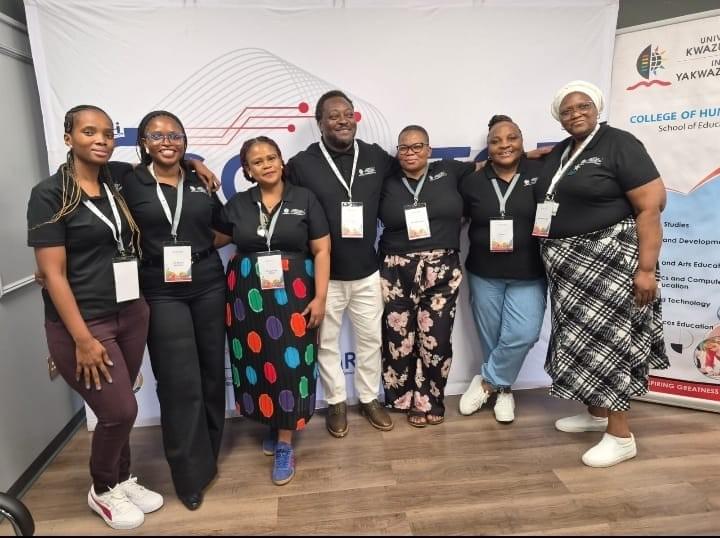
There is something deeply beautiful about watching Africans refuse to disappear.
In a world racing towards artificial intelligence, automation, and digital transformation, many of our languages have quietly stood at the edge of extinction, overlooked, underfunded, and underestimated.
For generations, African people have been taught, directly and indirectly, that progress sounds foreign. That intelligence speaks English. That technology belongs somewhere else.
But inside a lecture hall at the University of KwaZulu-Natal, something extraordinary happened. African languages reclaimed their seat at the table of the future.
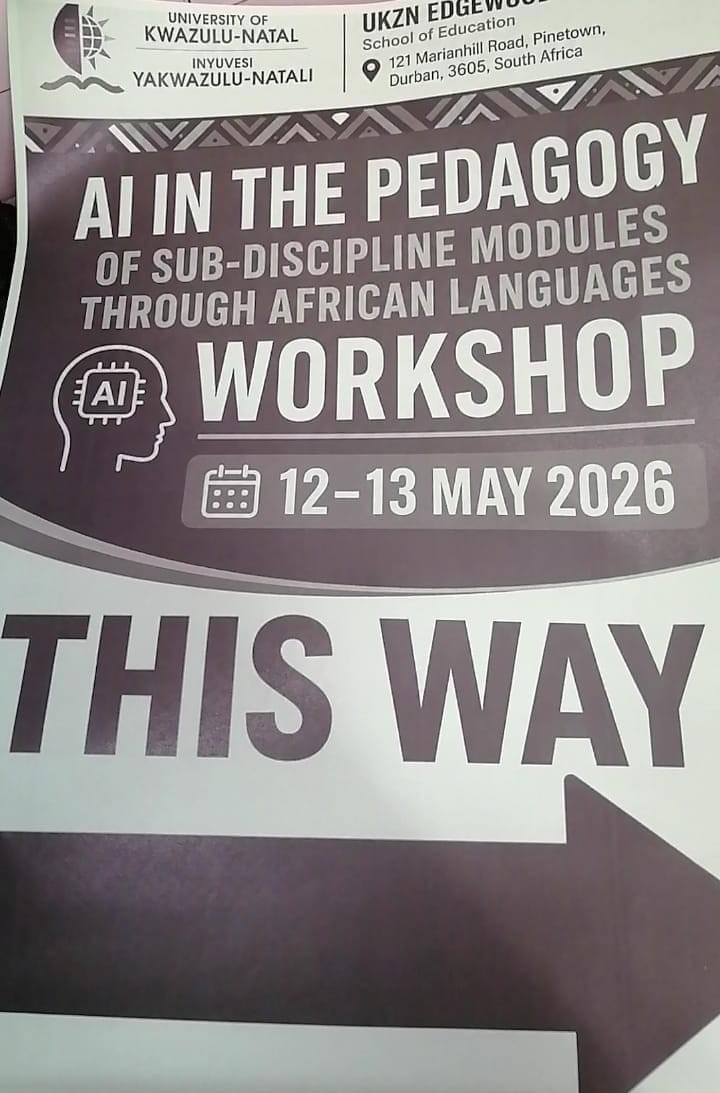
The “AI in the Pedagogy of African Languages” workshop was not just another academic gathering. It was a declaration. A declaration that isiZulu matters. That African languages matter. That African children deserve to see themselves reflected in the technologies shaping tomorrow.
It was a reminder that our languages are not relics of the past. They are living, breathing systems of knowledge capable of shaping the future of artificial intelligence itself.
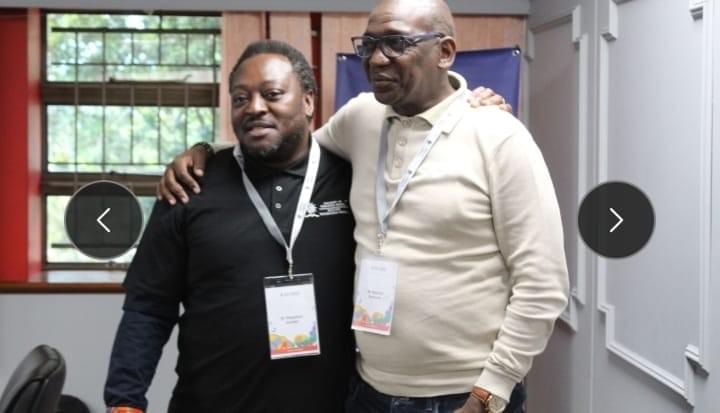
At the heart of this groundbreaking initiative stands Dr Phephani Gumbi, a passionate scholar, visionary educator, and true embodiment of African excellence.
This workshop became possible because of his vision, his determination, and his unwavering belief that African languages belong in the centre of technological advancement, not on the sidelines.
He applied for the funding, carried the dream, and together with his remarkable team, brought this powerful initiative to life. There are people who work for titles, and then there are people who work for purpose. Dr Gumbi is clearly driven by purpose.
What became evident throughout this initiative is that his work goes far beyond academia. His passion for isiZulu, for African identity, for education, and for his students is deeply personal. You can feel it.
You can see it in the way he speaks about language, in the spaces he creates for young scholars, and in the urgency behind this work.
He understands that when we preserve African languages, we preserve memory, culture, dignity, and humanity itself.
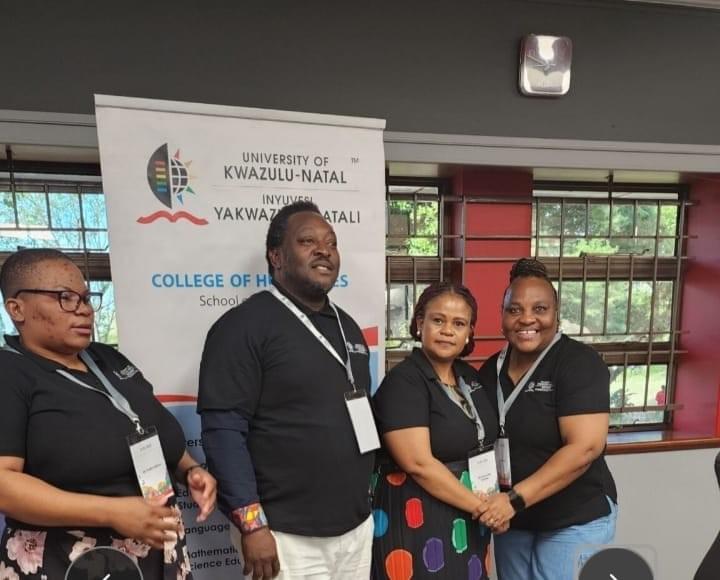
Supported through a sponsorship agreement between the South African Centre for Digital Language Resources (SADiLaR) and the University of KwaZulu-Natal, the workshop focused on the role artificial intelligence can play in teaching, preserving, digitising, and revitalising African languages.
The aims of the workshop included promoting innovation in language teaching, preserving endangered African languages, addressing digital inequalities, fostering interdisciplinary collaboration, and exploring ethical approaches to AI in education.
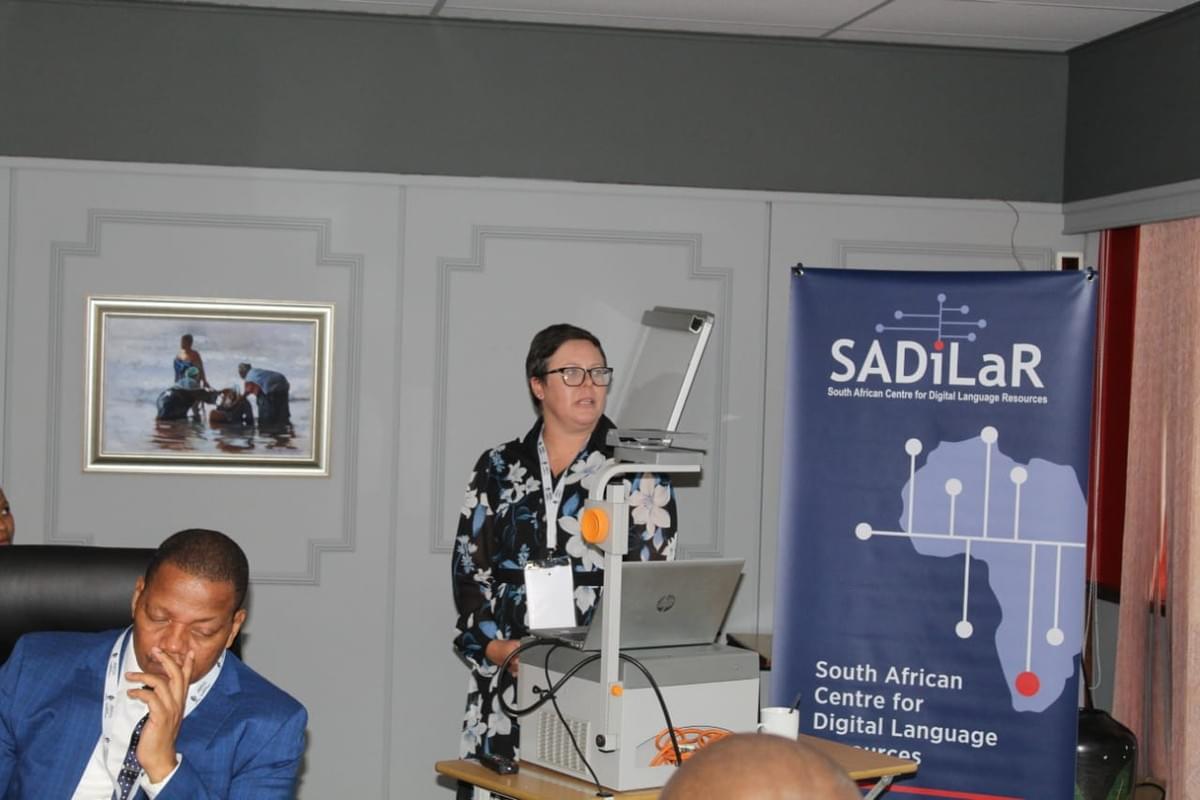
These conversations could not be more urgent.
Artificial intelligence is rapidly reshaping the world. The systems being built today will influence education, communication, healthcare, governance, and access to information for generations to come. But if African languages are excluded from these systems, then millions of African people risk digital exclusion too.
A future where technology cannot understand isiZulu, isiXhosa, Sesotho, Tshivenda, Kiswahili, Yoruba, or Shona is not innovation. It is erasure.
That is why this workshop mattered so much.
It was about more than technology. It was about belonging. It was about ensuring that African children grow up knowing that their mother tongues are intelligent enough for science, advanced enough for artificial intelligence, and powerful enough to exist in every digital space imaginable.
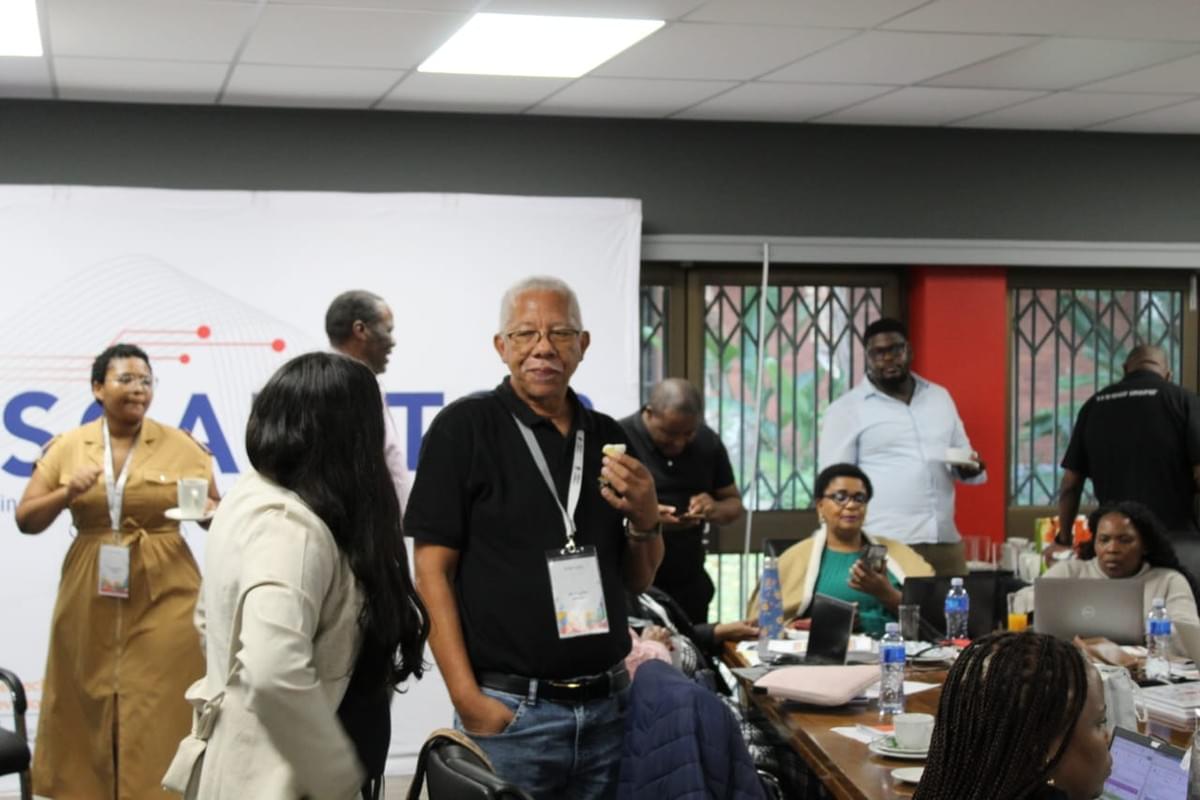
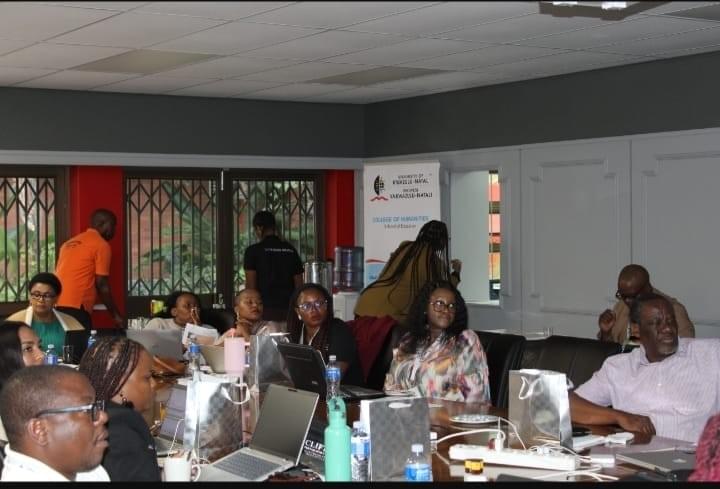
There was something profoundly emotional about witnessing African scholars, researchers, students, and innovators come together to imagine a future where our languages are not merely surviving, but thriving.
A future where a child in rural KwaZulu-Natal can interact with AI in isiZulu. A future where African languages are fully integrated into educational tools, research platforms, digital archives, and machine learning systems.
That future no longer feels impossible.
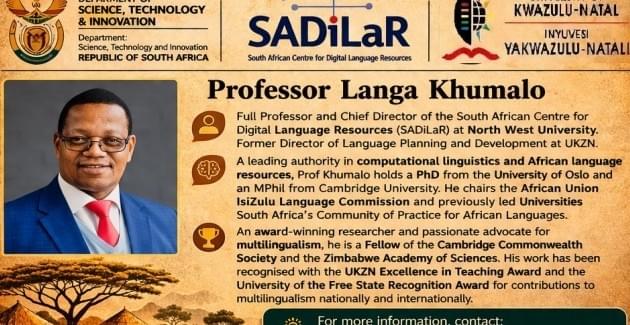
The presence and contribution of Professor Langa Khumalo, one of Africa’s leading authorities in computational linguistics and African language resources, further reinforced the significance of the workshop.
His work, much like Dr Gumbi’s, represents a growing movement of African intellectuals who are refusing to allow our languages to be left behind in the digital revolution.
And perhaps that is what made this gathering feel so powerful. It was not rooted in fear. It was rooted in hope.
Hope that Africa can lead. Hope that our languages can innovate. Hope that our children can inherit technologies that recognise them fully. Hope that African knowledge systems will finally receive the respect they deserve.
People like Dr Phephani Gumbi remind us that Africa has never lacked brilliance. What Africa has often lacked is investment in its own brilliance. Yet despite those obstacles, scholars like him continue to rise, continue to build, and continue to carry entire generations forward with them.
With leaders, educators, and researchers like Dr Gumbi and his team, African languages are in safe hands.
African education is in safe hands. And perhaps most importantly, Africa’s technological future is in safe hands too.
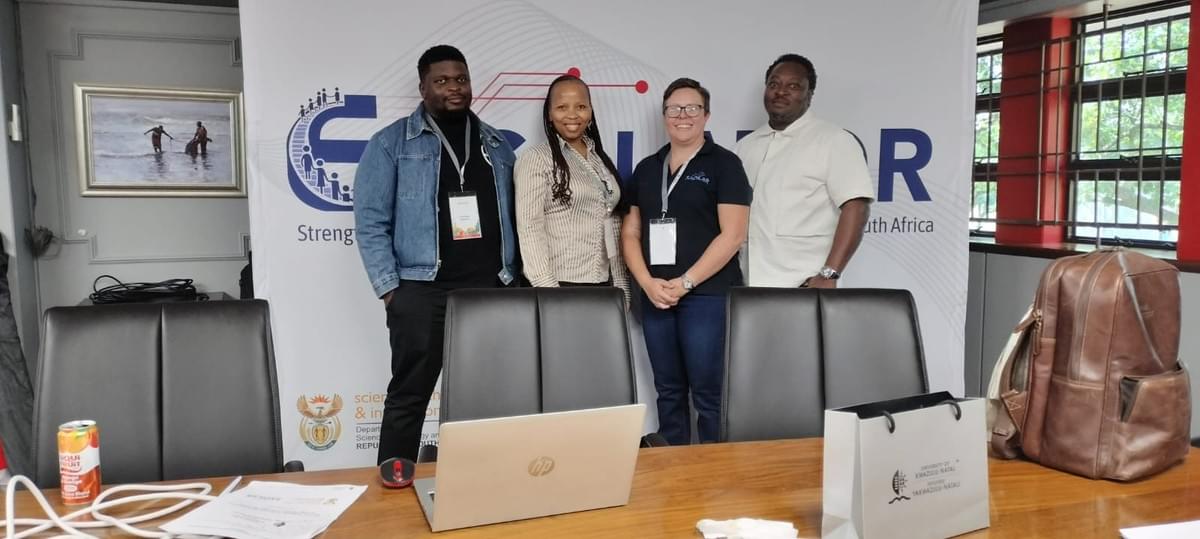
The future of artificial intelligence must not only speak English.
It must also speak isiZulu.
It must laugh in isiXhosa.
It must dream in Kiswahili.
It must think in Tshivenda.
It must sing in Yoruba.
It must remember Africa.
And thanks to visionaries like Dr Phephani Gumbi, that future is already speaking.
