

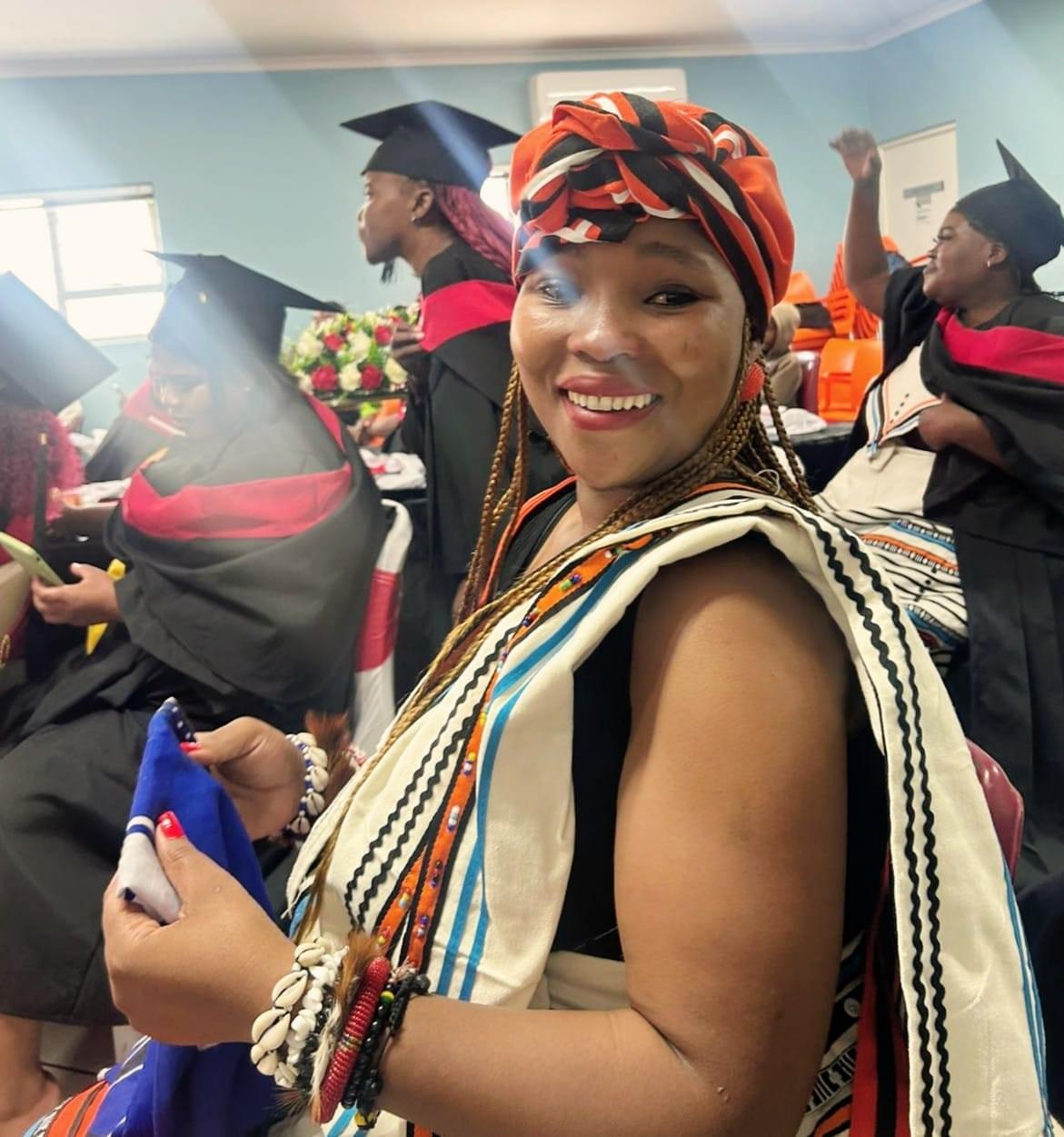
When people look at my journey today — the policy platforms, the continental forums, the political fellowships, the expanding organisation, the global readership of my blog — it can appear as though it was strategically mapped from the beginning. It was not.
What it has been is a journey shaped by grief, lived experience, institutional opportunity, spiritual calling, disruption, and alignment. And when I trace the turning points carefully, one name consistently appears in the architecture of my personal and professional growth: Gender Links.
The Great People of South Africa was not born from geography. It was born from lived reality. It was founded from my experience as a survivor of gender-based violence and from my refusal to allow other women to navigate broken systems alone.
Before there were programmes, before there were provinces, before there were partnerships, there was pain and there was a decision that the pain would not be wasted.
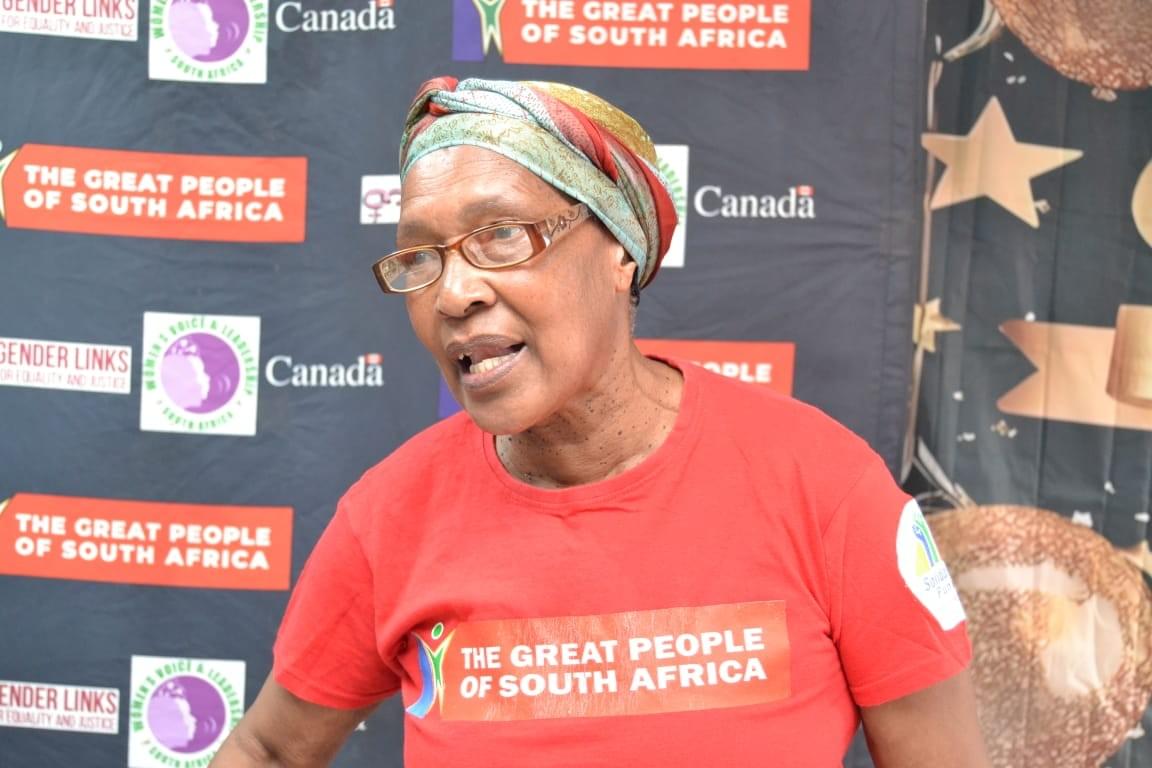
At the time of founding, we were not yet operating formally in any province. I had personally worked in the Western Cape before as an employee within another organisation, but I had never entered communities in my own capacity to address GBV from the position of being a survivor myself. The organisation existed as vision, conviction, and intention.
It was Gender Links, through the Women’s Voice and Leadership South Africa programme, that enabled The Great People of South Africa to formally begin operating in the Western Cape. Their funding did not merely support work, it activated it.
That first partnership professionalised what had previously been driven by passion alone. It introduced governance, accountability, reporting systems, and access to a feminist leadership ecosystem that reshaped how I understood advocacy.
We began structured work in the Western Cape, supporting survivors, engaging communities, and confronting justice system gaps.
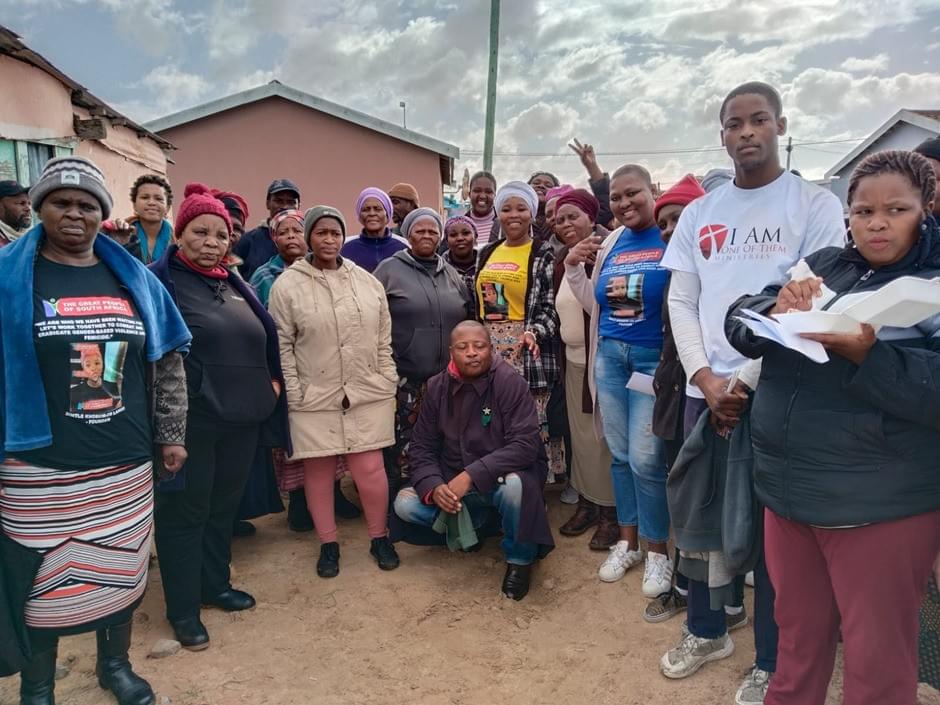
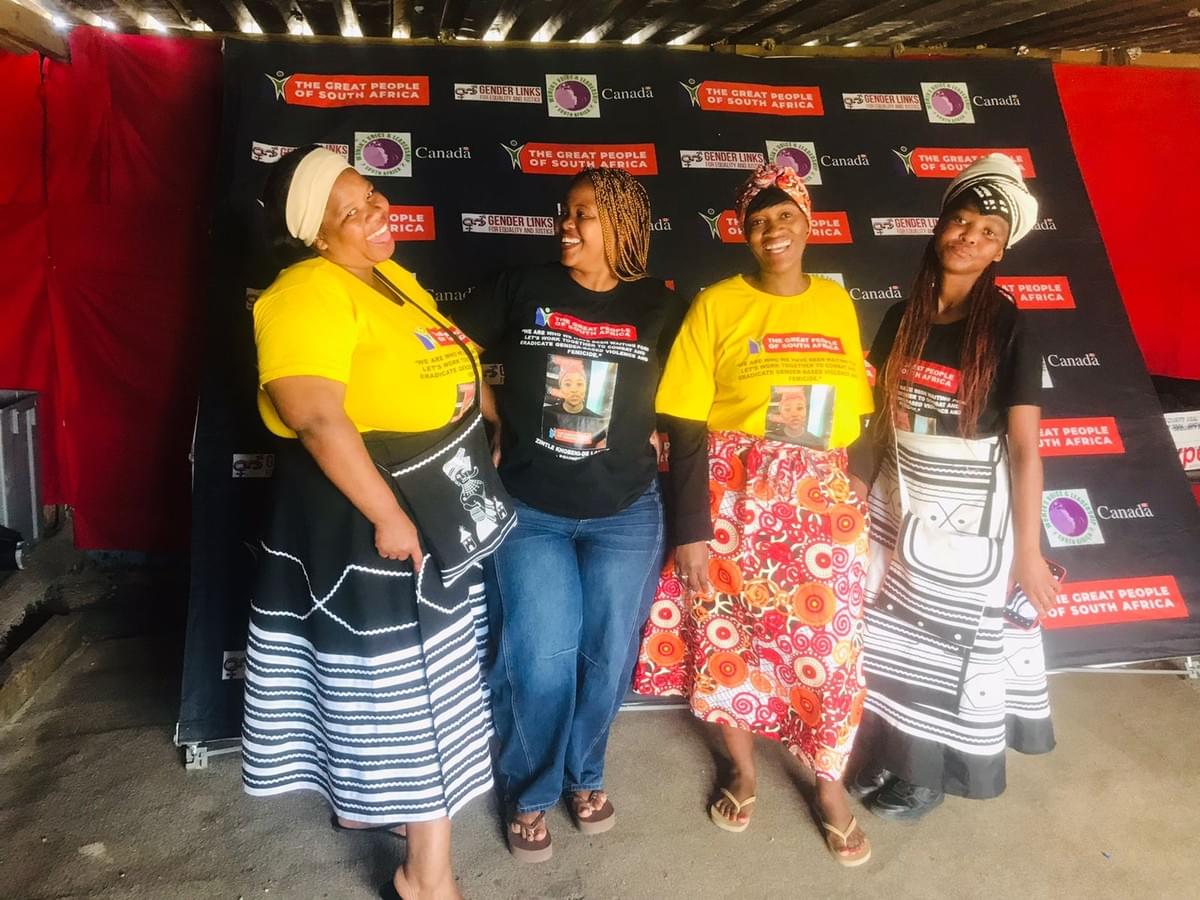
During COVID-19, as GBV escalated and families were trapped in unsafe spaces, we participated in our first major protest. It was there that I encountered the media for the first time as a leader. I had no formal training. Yet I spoke.
That journalist including many others have worked with us since that day. Hundreds of interviews followed. Gender Links had not just funded an organisation — they had positioned a voice.
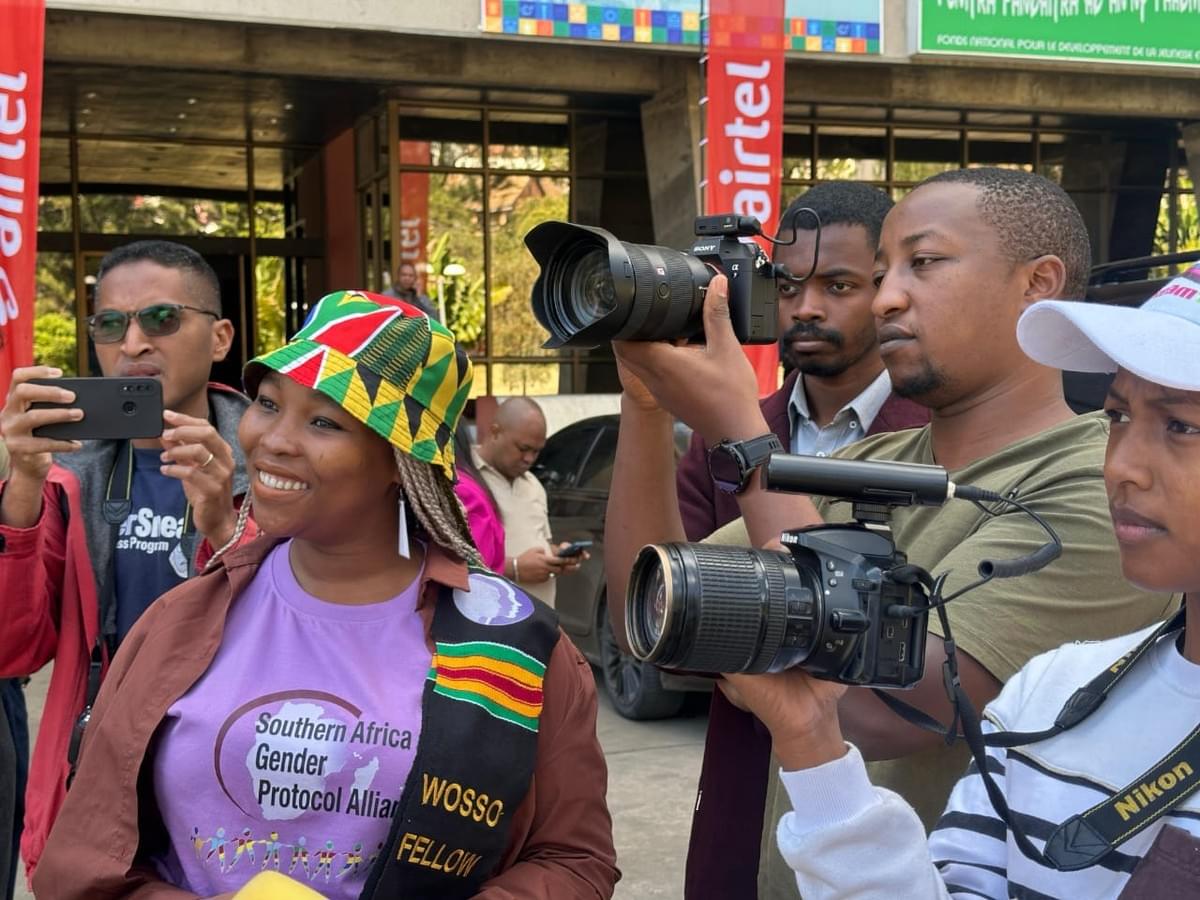
Through the Women of the South Speak Out (WOSSO) Fellowship, managed under Gender Links and its consortium partners, my leadership journey expanded beyond the Western Cape. WOSSO enabled me to return to Ndofela Village in the Eastern Cape, my birthplace — as an institutional leader.
That was the beginning of our expansion into the Eastern Cape. Gender Links made that return possible.
But leadership is refined through confrontation.
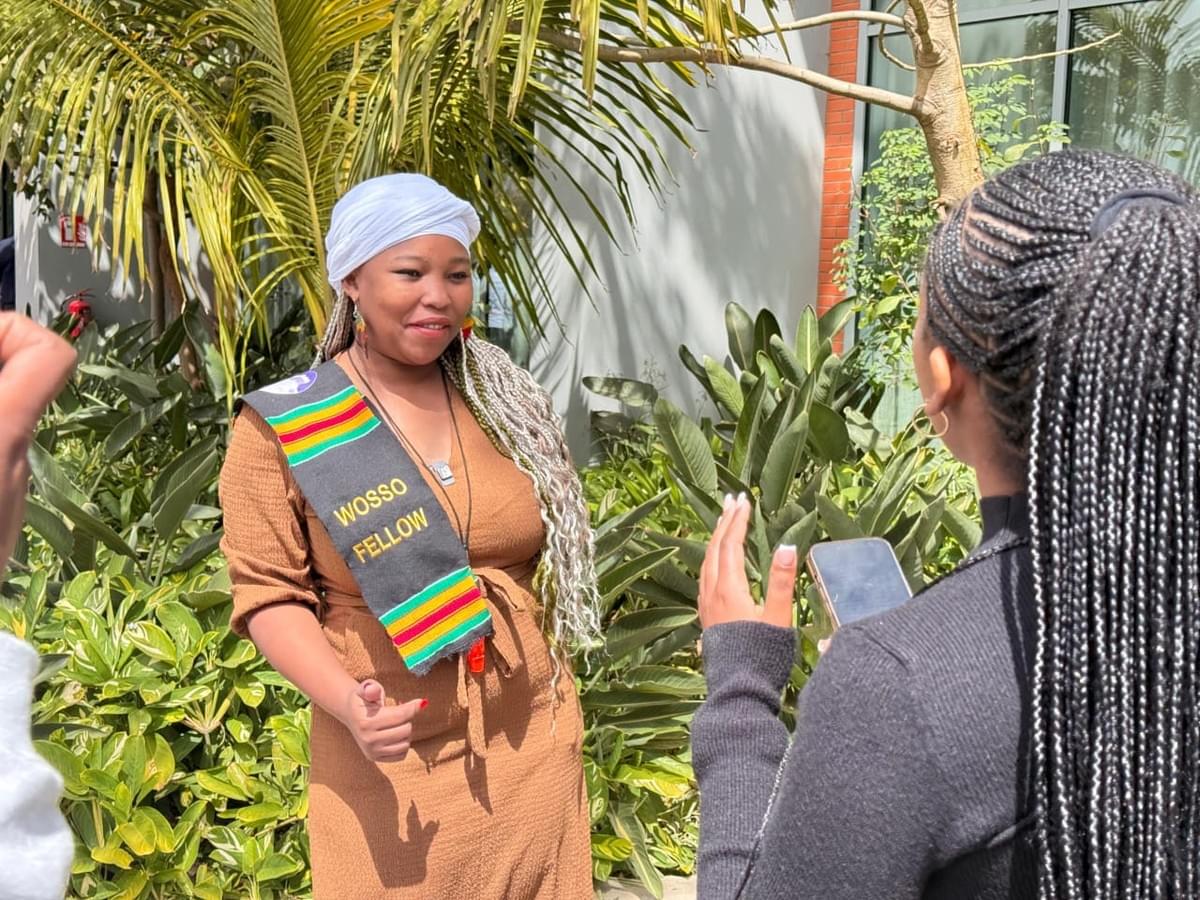
While implementing my WOSSO Fellowship advocacy plan in Ndofela, I encountered deeply personal challenges involving the justice system. I experienced once again the policing failures and protection order gaps I had long advocated against. There were moments when those realities disrupted my ability to continue as planned. What felt like resistance was, in hindsight, revelation.
Out of those challenges emerged the Community-Integrated Protection Order Model (CIPOM)— a policy reform framework I am now developing to strengthen protection order implementation at community level. The injustice became analysis. The disruption became blueprint.
It was during this same season that my life shifted spiritually.
After the untimely passing of my father, my spiritual journey intensified. Grief opened a doorway. Dreams became clearer. Visions became persistent. The calling to become a traditional healer could no longer be postponed.
I had just begun the Gender Links Academy at the time, eager to deepen my institutional skills, when I was required to step away completely to honour my initiation. I disappeared from public life for weeks, almost months, to attend to that sacred journey.
The first people in the professional space that I informed about my whereabouts were leaders at Gender Links. That decision speaks to trust. I did not owe anyone explanations, but I chose to share that sacred transition with them. They responded with understanding, not judgment.
I could not complete the Gender Links Academy because the ancestors and God required my full focus. At the time, it felt like interruption. Today, I understand it as positioning. That spiritual grounding transformed how I interpret my life. I now understand that nothing happens randomly. Every disruption carries direction. Every delay carries design.
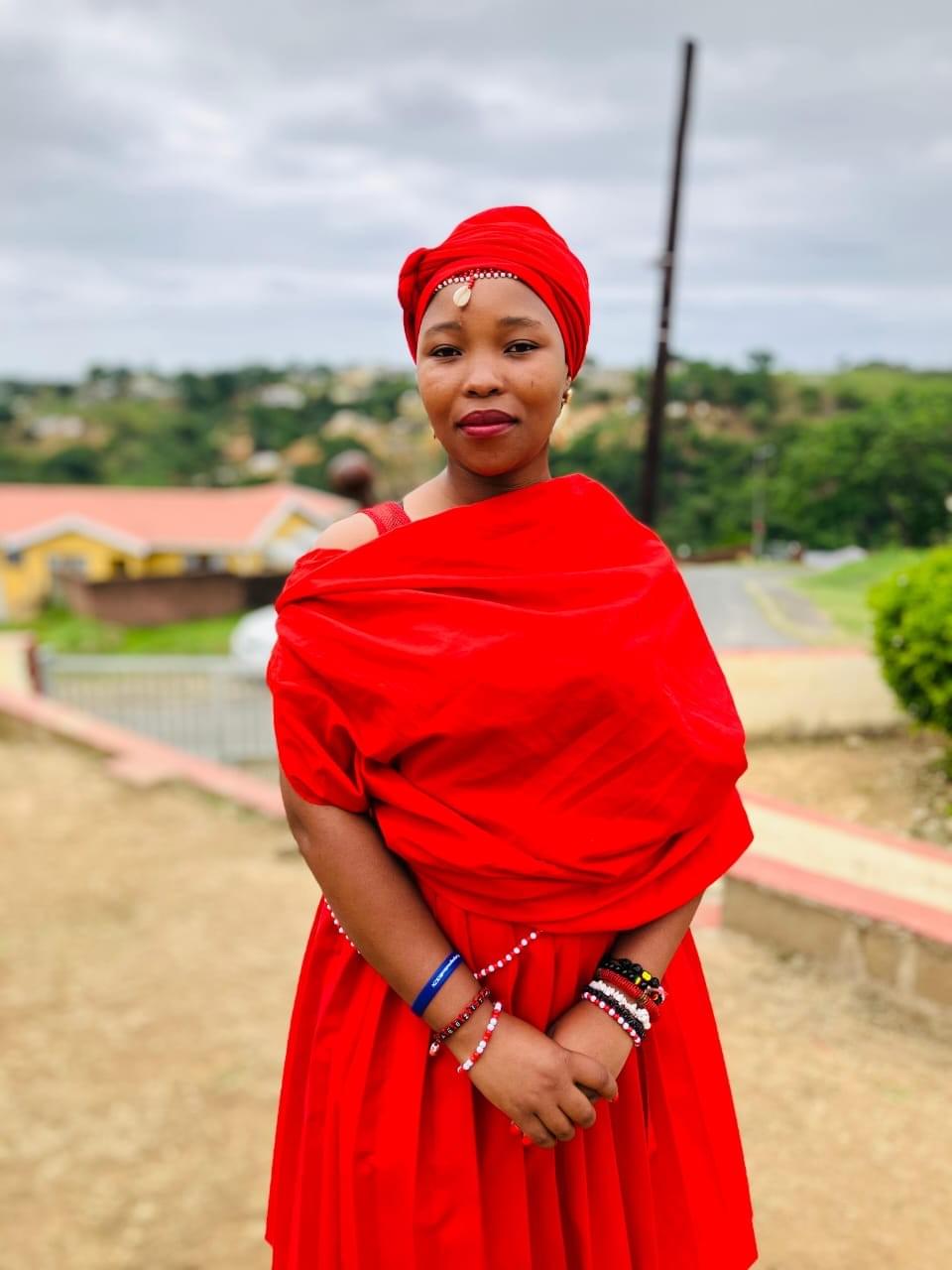
Just after the beginning of my WOSSO Fellowship journey, and while I was navigating the unfolding realities of my spiritual calling, Mama Colleen encouraged us to start blogging. At that time, I was already quietly writing a book about my father — about his untimely passing, the unpeakable heartbache that came with that devastation and the spiritual gift I had come to recognise after his death.
When I began blogging in December 2024, it became more than a fellowship exercise. It became the space where I publicly processed grief, calling, leadership, and justice. It became my refuge. It became income. It became survival. More than that, it gave me the stamina to continue writing my book with renewed vigour and clarity.
Blogging sharpened my voice, strengthened my discipline, and reminded me that my story mattered.
Today, my blog attracts over 400 new readers each month from across the globe. What began as simple encouragement evolved into Dulaza Brands and Media (Pty) Ltd, which I registered in July 2025. As Founder and CEO, I now lead a storytelling company rooted in advocacy, indigenous languages, and feminist narratives.
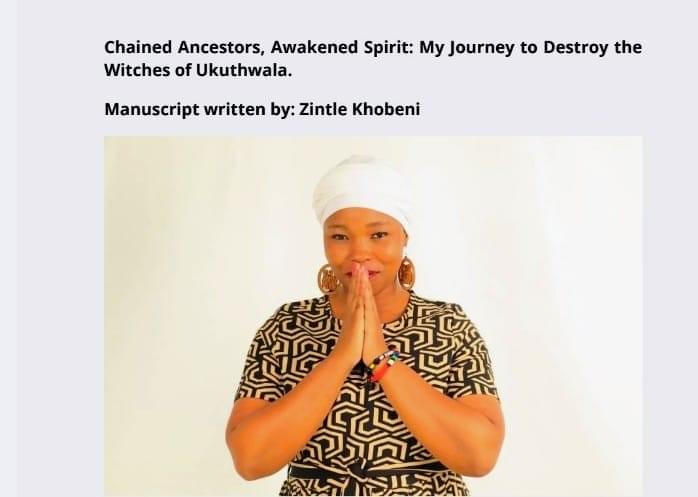
The book I began writing during that season — about my father and the spiritual awakening that followed his passing, is now being reviewed by a UK-based publisher with the intention to publish it. They found the story compelling. They recognised its depth.
That manuscript exists because grief opened a spiritual door, and Gender Links opened a platform that strengthened my voice enough to finish telling it.
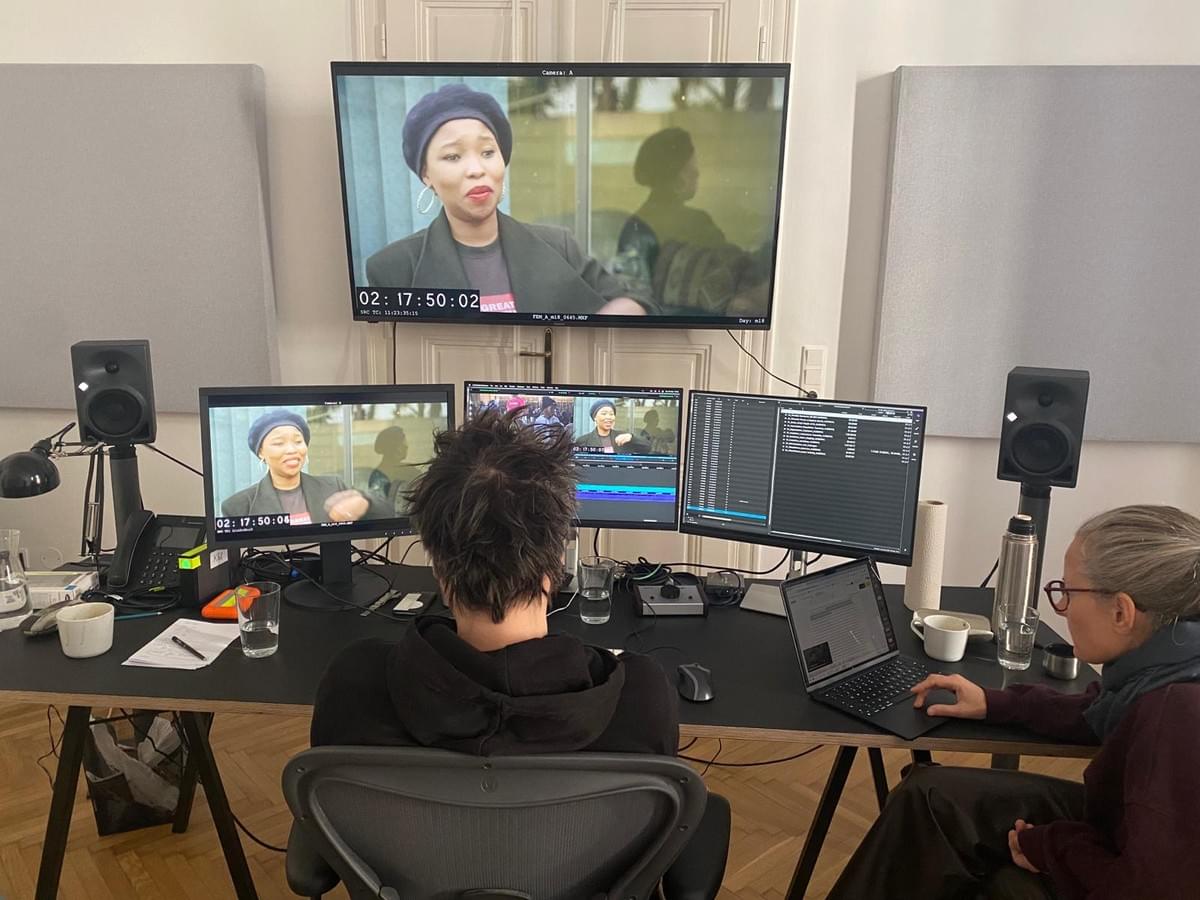
Visibility created ripple effects beyond anything I imagined. An Austrian production company KGP. discovered my story online and flew to South Africa specifically to follow the work of The Great People of South Africa around gender justice, GBV, and femicide. The Gender Links banner is highly featured in that global film.
To witness an international crew documenting grassroots justice work, and to see the Gender Links presence woven into that visual narrative was an extraordinary moment. It was proof that ecosystems matter.
While navigating life as a WOSSO Fellow under Gender Links, and while implementing my fellowship journey in Ndofela, I encountered deeply personal struggles rooted in family feuds that ultimately forced me back into the justice system. It was a painful return to the very institutions I was advocating to reform.
In that confrontation, I witnessed once again the systemic weaknesses surrounding protection mechanisms, enforcement gaps, and the persistent disconnect between law on paper and safety in practice.
Those lived realities did not silence me; they sharpened me. They became the foundation of the Community-Integrated Protection Order Policy Model.
The Community-Integrated Protection Order Model was not born from theory. It emerged from Ndofela, from justice system failures, and from the urgent need to bridge community realities with institutional accountability.
Through mentorship within the Gender Links ecosystem, and strengthened by spiritual clarity, the model matured from frustration into framework. It evolved from personal pain into reform strategy. That is how the model entered its next chapter.
I was shortlisted for the second cohort of the Rise Up Together South Africa Leadership and Advocacy Programme, an initiative designed to equip feminist leaders to drive systemic policy reform. I applied with the Community-Integrated Protection Order Model as my central focus, grounding it in lived experience, justice system gaps, and the ecosystem that helped refine its structure.
I now look forward to the opportunity for support and funding that will enable this work to move from concept to sustained policy dialogue and reform.
Rise Up Together RSA is not separate from Gender Links; it is part of the continuum. One space exposed the gap. One space nurtured the idea. Another now has the potential to resource its advancement. That is how ecosystems shape change.
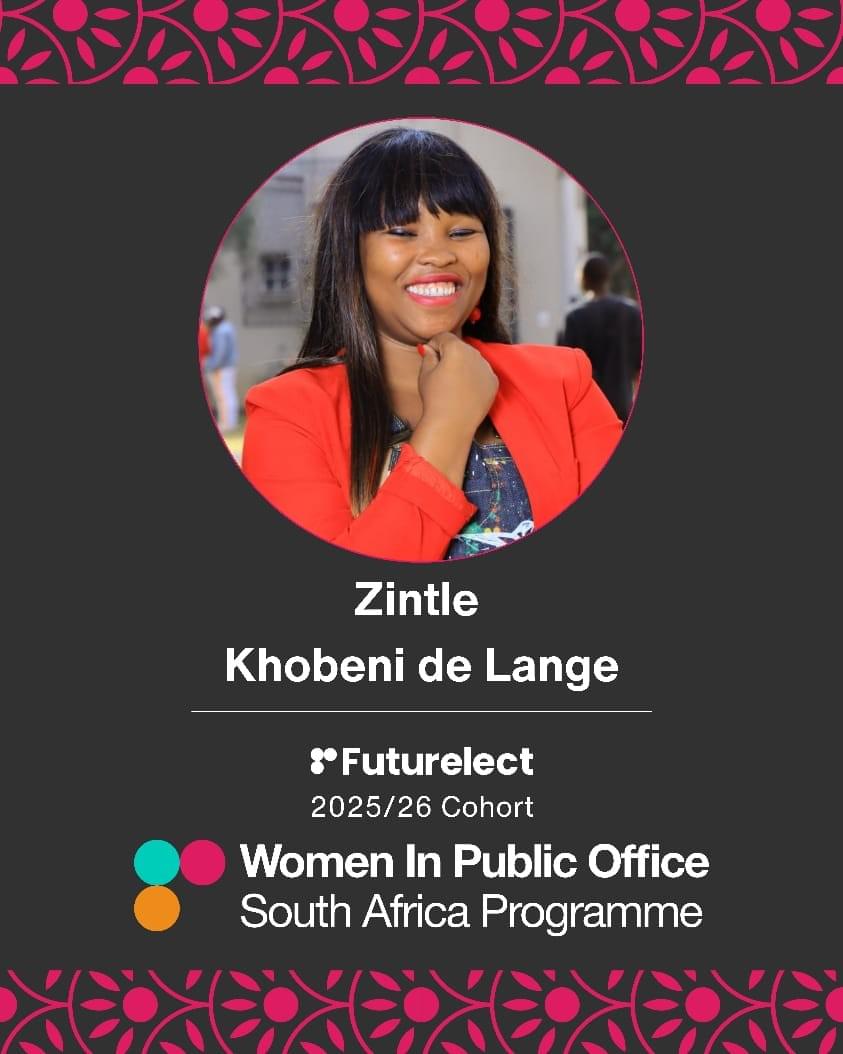
The leadership confidence built through Gender Links also reignited my political trajectory. I come from a background in student politics; that fire never disappeared — it simply required structure and oxygen. Today, I am one of 18 fellows in the second cohort of the Women in Public Office South Africa Fellowship (2025-2026).
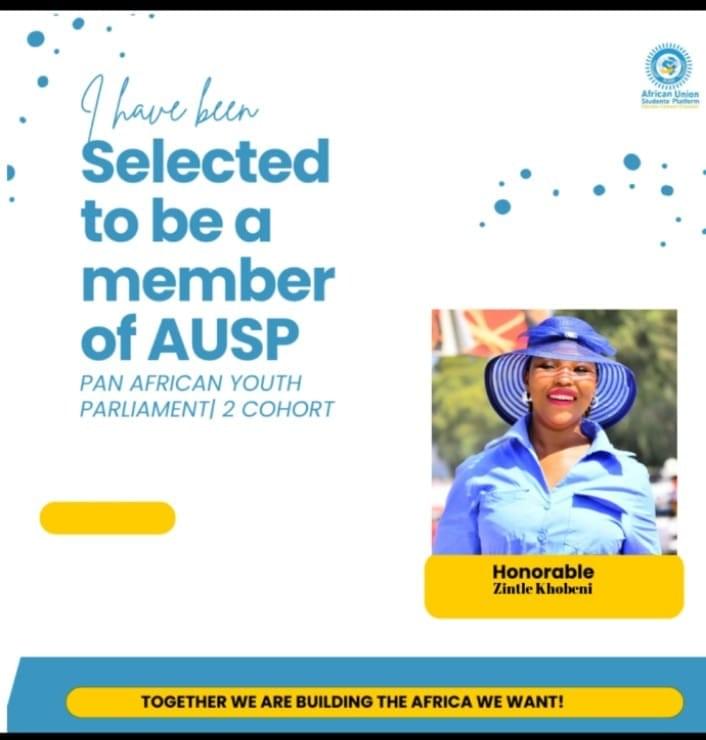
I have also been selected and currently serve as a member of the Pan-African Youth Parliament (2026-2027), contributing to discussions aligned with the AU Agenda 2063. I sit on the planning committee for the 8th Southern Africa Youth Forum.
The Great People of South Africa now operates in the Western Cape, Eastern Cape, and KwaZulu-Natal. We have attracted multiple funders. We are an award-winning organisation. I am an award-winning activist, a published blogger, a policy advocate, and a traditional healer grounded in ancestral alignment.
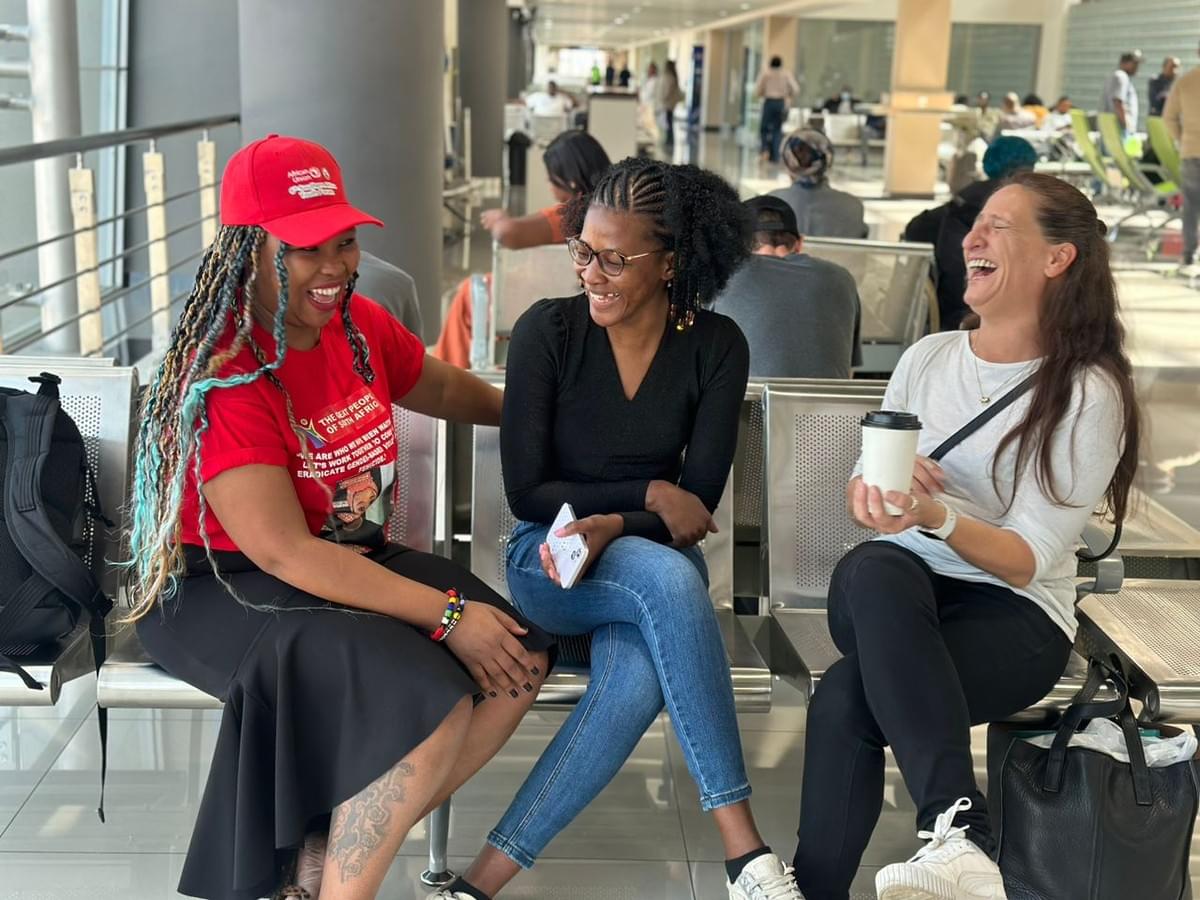
When I connect these milestones, founding from lived experience, first funding, media visibility, WOSSO expansion, justice system confrontation, my father’s passing, spiritual initiation, policy innovation through CIPOM, Rise Up Together advocacy progression, Austrian film production, global readership, book publication pathway, political fellowship, and continental leadership — I see one consistent thread.
Gender Links did not create my story. They activated it. They did not remove challenges. They prepared me to transform them. They stood present through grief, through calling, through expansion, and through global visibility.
Everything happened for a reason. The funding was a reason. The fellowship was a reason. The confrontation was a reason. My father’s passing was a reason. The spiritual calling was a reason. The film was a reason. The policy reform work is a reason.
Some partnerships fund organisations. Others shape destiny. Gender Links shaped mine.
On your 25th year of advancing gender justice, may Gender Links continue the extraordinary, system-shifting work that has strengthened leaders like me and transformed communities across our continent.
Camagu Gender Links, Makukhaye. Amakhosi ayathokoza.
