

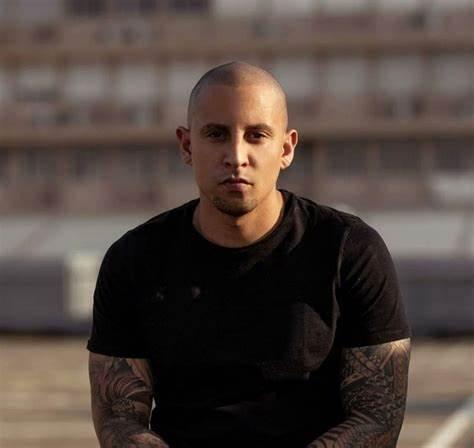
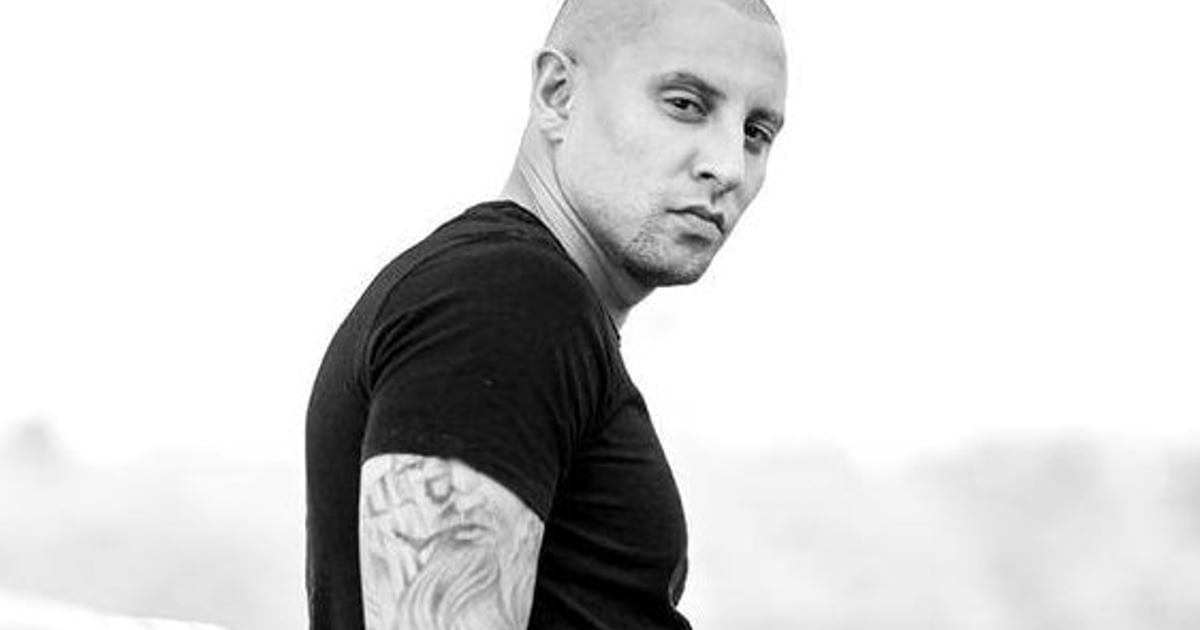
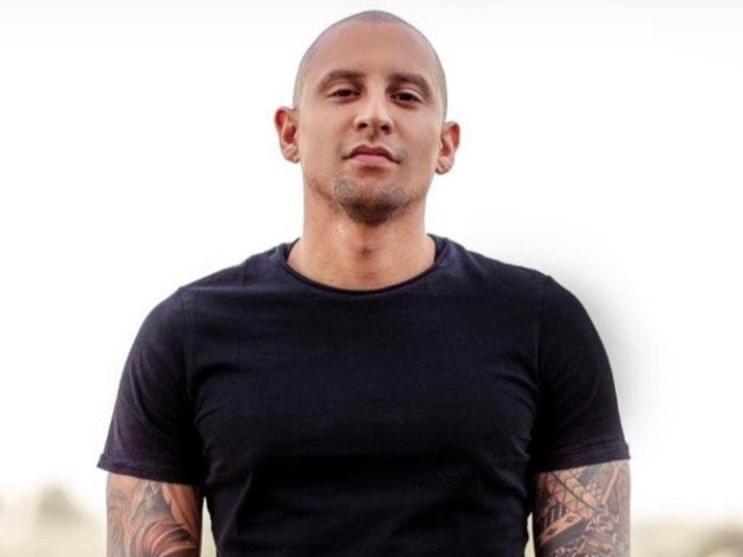
On 16 December 2025, a day meant to symbolise healing and unity, South Africa lost a man who embodied courage in its rawest form. DJ Warras — Warrick Stock — was assassinated in broad daylight in Johannesburg, the city he spent years defending with his voice, his platform, and his relentless truth-telling.
His death is not just a tragedy. It is a devastating indictment of a justice system that continues to fail the very people who seek its protection.
A man with five protection orders should not die at the hands of his aggressors. A nation that claims to honour justice should not have to bury another warrior whose only crime was loving his country enough to fight for it.
DJ Warras leaves behind a legacy of bravery, outspokenness, and deep patriotic conviction. He did not hide in studios and speak from a distance. He walked the streets of Johannesburg’s inner city, entered hijacked buildings, exposed crime networks, and confronted the decay that many of those in power prefer not to see.
He stood up not because it was safe, not because it was convenient, but because he believed South Africa deserved honesty. He believed our cities could be saved.
He believed that shining a light on darkness could spark change. But while he carried the burden of speaking truth to power, the system meant to protect him carried nothing. His warnings were documented. His fear was recorded. His protection orders were filed. And yet he died — alone on a street corner, unprotected by the very laws he had trusted.
And the painful truth is this: his story is not an exception. Over the years, we have seen countless GBV victims across South Africa seek protection orders, believe in the process, cling to that thin piece of paper as their last hope — only to be murdered by the very people the courts told them should stay away.
Protection orders have become symbols of hope for survivors, but too often they are nothing more than symbolic. They offer legal acknowledgement but not physical safety. They offer procedure but not protection. They offer reassurance but not response.
Too many women have been killed after asking for help. Too many names have been added to the growing list of those who died while waiting for SAPS or the courts to take their fears seriously.
DJ Warras’ death expands that list — a painful reminder that the system does not only fail women; it fails anyone who dares to confront violence, corruption or criminality.
As I read the reports of his five protection orders, I felt my chest tighten in a way that only lived experience can explain. Because I, too, am walking through life with the weight of threats hanging over me. I, too, have turned to the courts, filed for protection, followed every step the justice system demands of victims.
And while my own protection order process has been underway, my neighbours trespassed onto my family property, damaged it and threatened me openly — and they did so in front of SAPS officers who did nothing.
The officers watched the intimidation unfold, shrugged, and left. I was not protected. I was not taken seriously. My life did not seem worth the inconvenience of police intervention. In that moment, I realised how dangerously fragile the line is between those of us who survive and those who become statistics.
The system fails us long before we die. It fails us the moment we gather our courage to report and are met with indifference. It fails us when police treat threats as private disputes instead of early warnings. It fails us when protection orders and notices of appearance are not enforced.
It fails us when cases drag for years. It fails us when those who target us become emboldened, knowing nothing will happen to them. It fails us when officers witness crime and look away. And it fails us most brutally when warriors like DJ Warras — who did everything by the book — are murdered anyway.
His assassination is not simply another crime story. It is a national mirror forcing us to confront how unsafe we truly are, even when we have done everything right. It forces us to ask: What is the point of protection orders if no one enforces them? What is the point of reporting threats if those threats are ignored until blood is shed?
Why must people die before the system pays attention? How many more South Africans — women, activists, neighbours, whistleblowers — will stand in fear because the law protects only on paper and not in practice?
I see myself in his story. I see every survivor who has had to beg to be taken seriously. I see every woman who has returned to police stations only to be told to “wait for something to happen.”
I see every activist who speaks out knowing that the danger is real but the protection is not. And I see a country that desperately wants to live, to heal, to rise — but cannot do so while its justice system continues to betray those who depend on it most.
DJ Warras’ legacy must not be reduced to nostalgia. His death must not be normalised. His protection orders must not be forgotten. His courage must not be overshadowed by the cowardice of those who kill and the complacency of those who fail to intervene. If his life meant anything — and it did — then his death must mean something too.
It must be the spark that forces us to confront the failures of our justice system with honesty and urgency. It must be the reminder that reconciliation cannot exist without safety. It must be the call that survivors and truth-tellers deserve more than thoughts and prayers — they deserve protection that works.
I write this not only for him, but for myself, and for every South African who has ever feared going home because the danger is next door. For every person who has relied on police only to be abandoned. For every survivor who sleeps lightly, listening for footsteps outside their door. For every voice that continues to speak despite not knowing whether the law will protect them.
DJ Warras fought for this country. The least we can do is fight for a system that honours people like him — and protects people like me — before it is too late.
May his voice live on in every demand for justice.
May his courage become our courage.
And may his death never be repeated.
