

Community work rarely begins at nine in the morning and almost never ends at five. It lives in late-night phone calls, emergency WhatsApp messages, unexpected court appearances, and community crises that refuse to wait for working hours.
It lives in leaders quietly carrying stories long after meetings have ended. For community-based organisations in the Western Cape, responding to gender-based violence is not simply work — it is a lived responsibility shaped by urgency, compassion, and resilience.
Behind Cape Town’s global reputation for beauty lies one of the most unequal social landscapes in the world. Communities across the province continue to confront gang violence, extortion, poverty, substance abuse, gender-based violence, and intergenerational trauma.
For many of us working within community-based organisations, this work is deeply personal. We do not arrive as outsiders attempting to fix problems; we live within the very realities we are trying to transform.
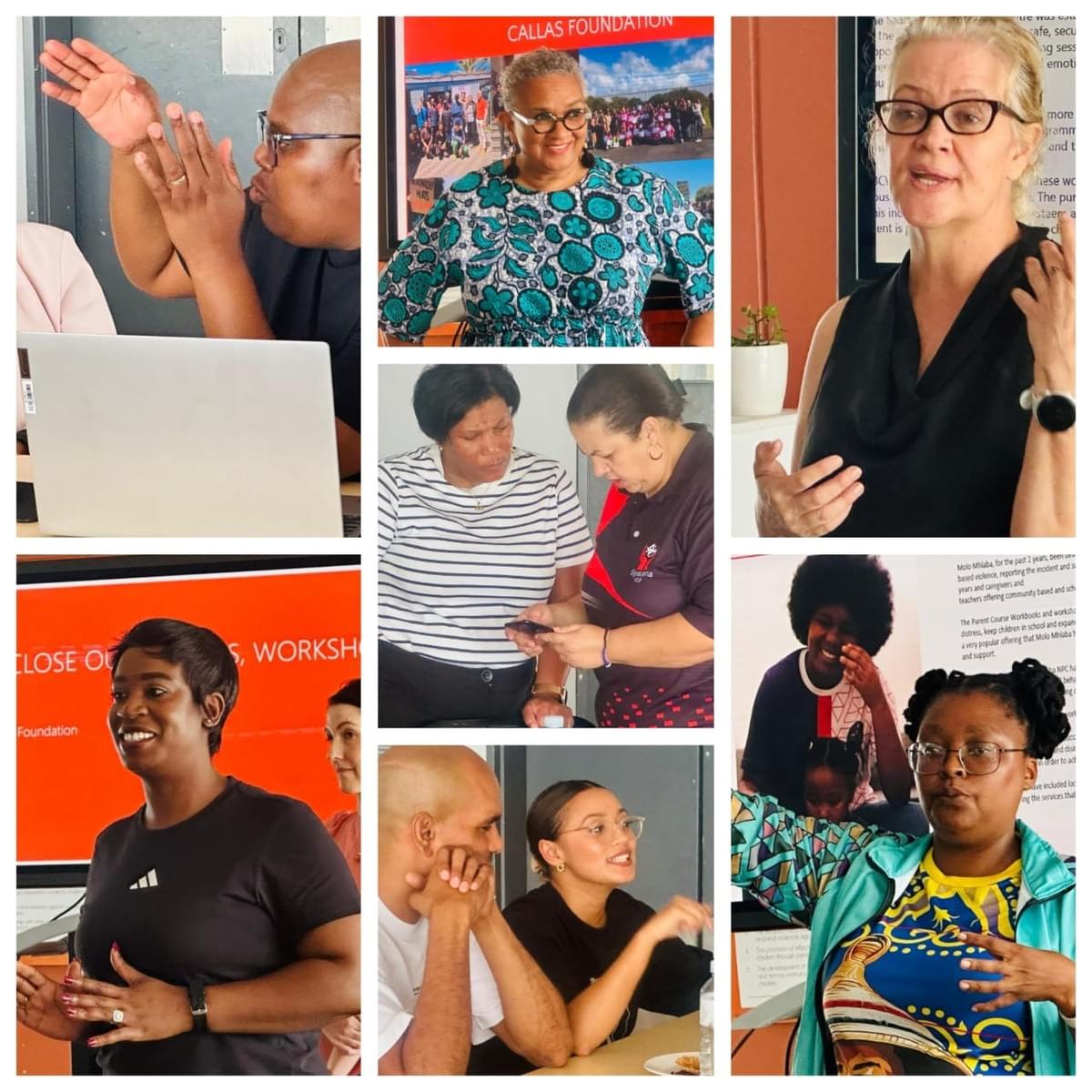
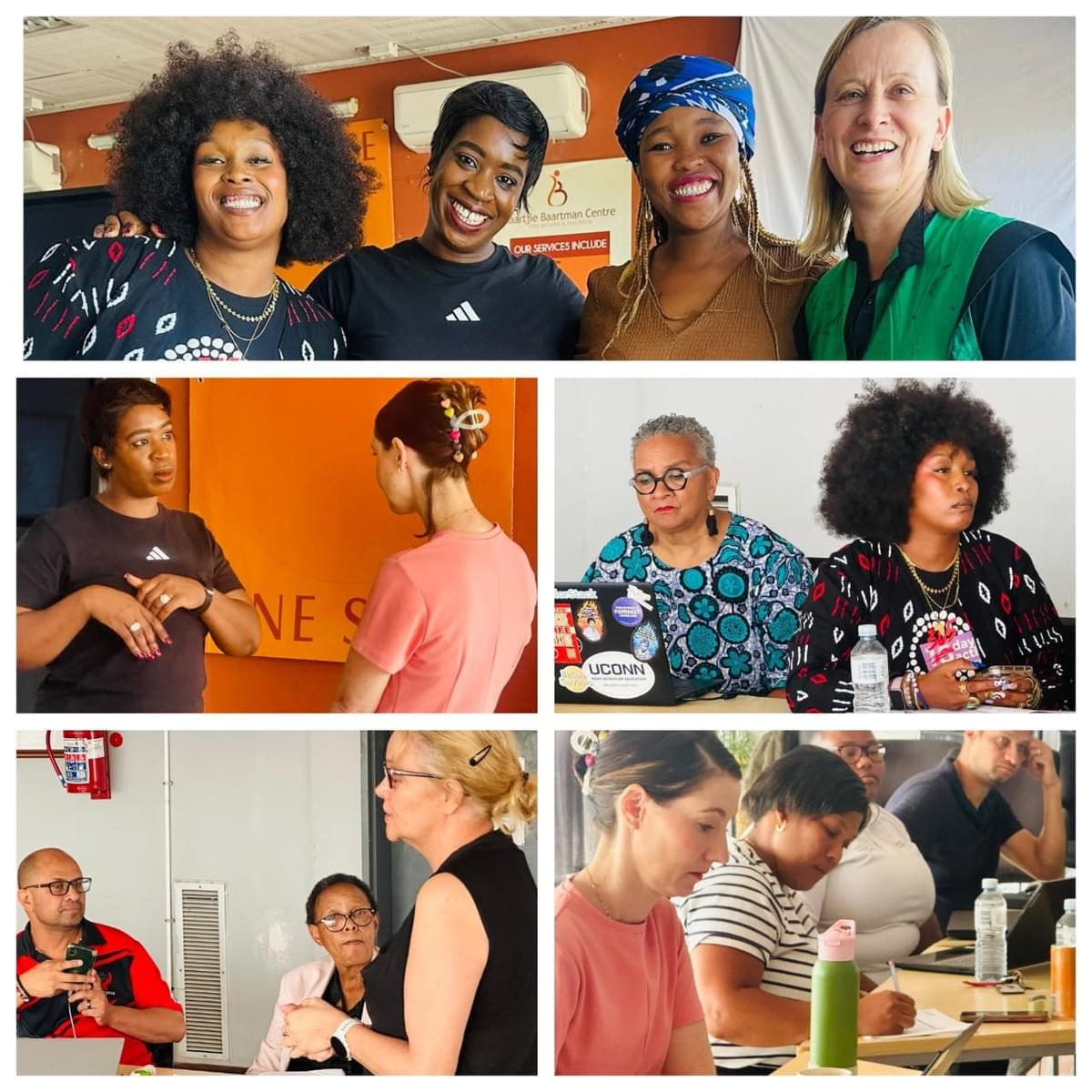
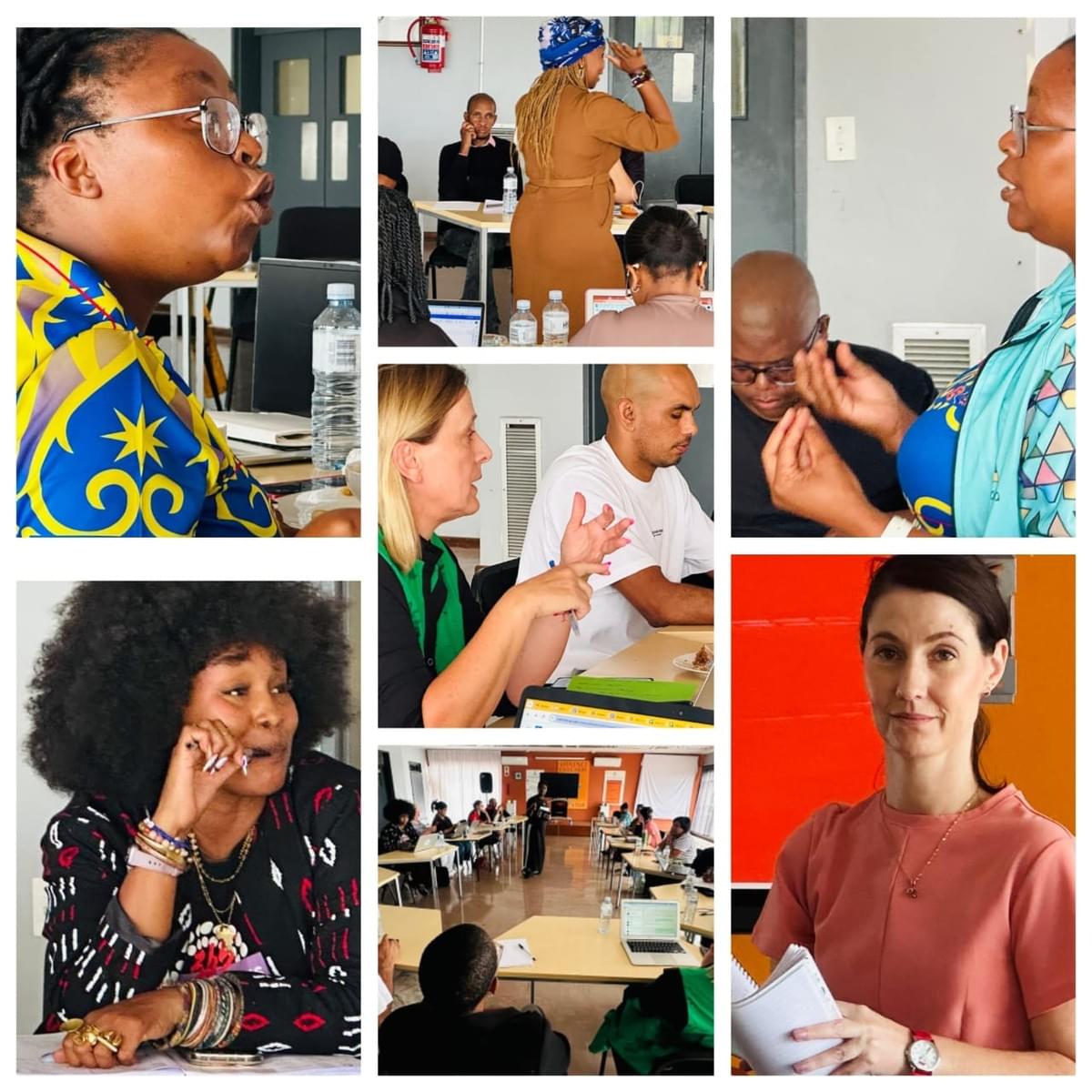
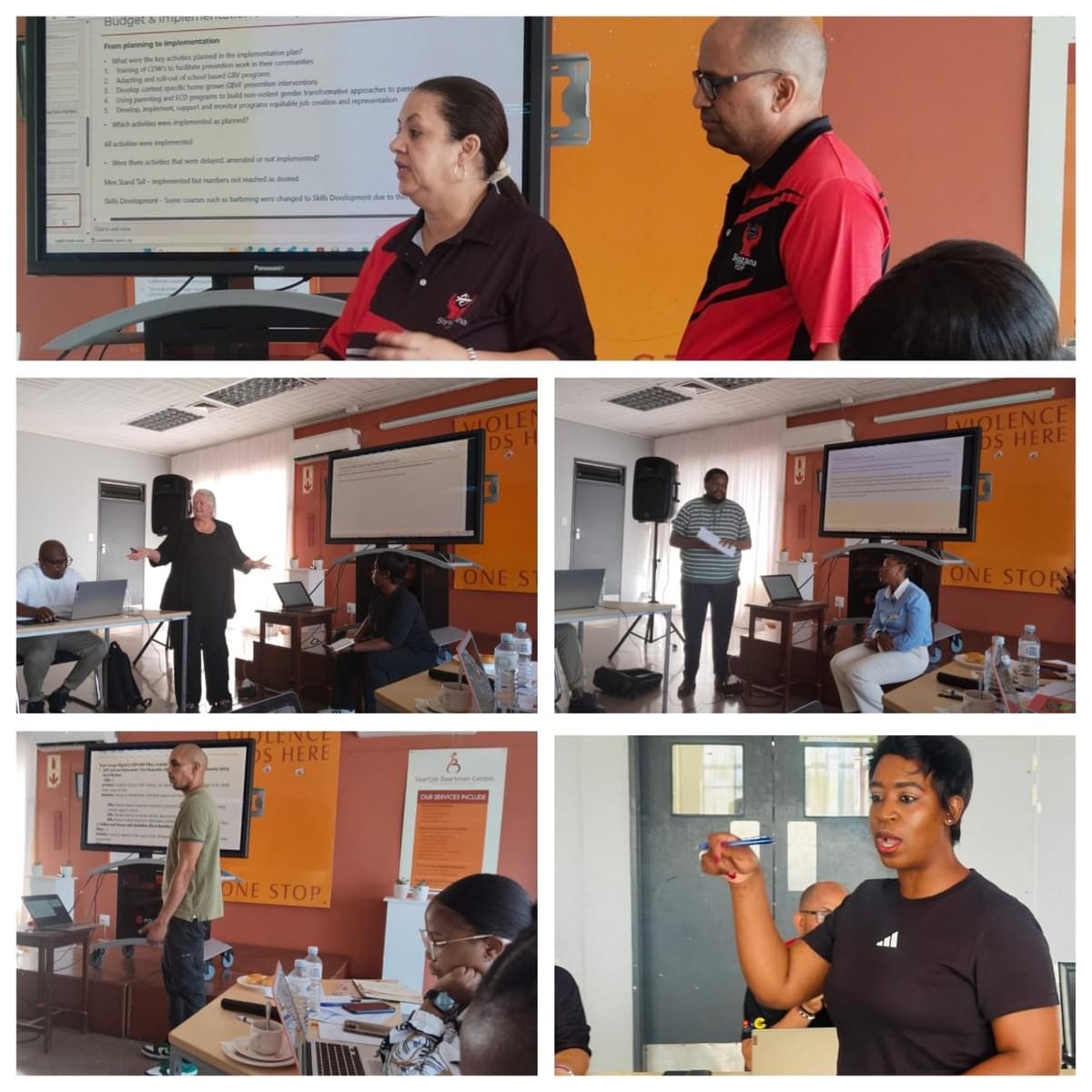
It was within this context that organisations funded under the GBVF Response Fund gathered for a three-day Western Cape Community-Based Organisation Review Session. Many of us arrived mentally preparing for serious compliance discussions, financial reconciliations, monitoring frameworks, and the quiet panic that usually accompanies the words “review meeting.”
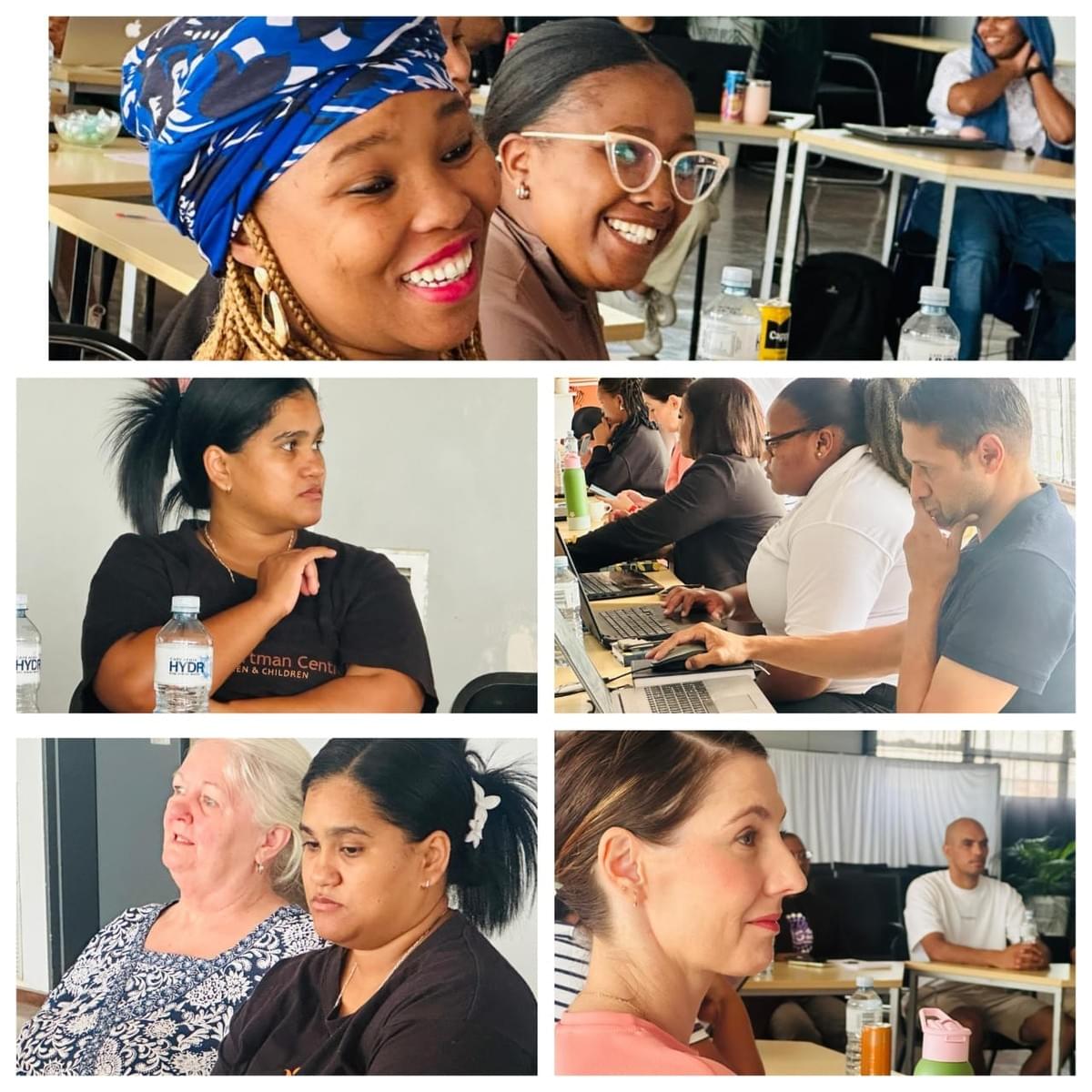
Some of us opened laptops with the determination of students defending theses, hoping our spreadsheets would behave themselves. What we did not expect was laughter. Real laughter.
The kind that happens when exhausted community leaders suddenly realise everyone else in the room is also navigating the same chaos, the same learning curves, and the same late-night report submissions.
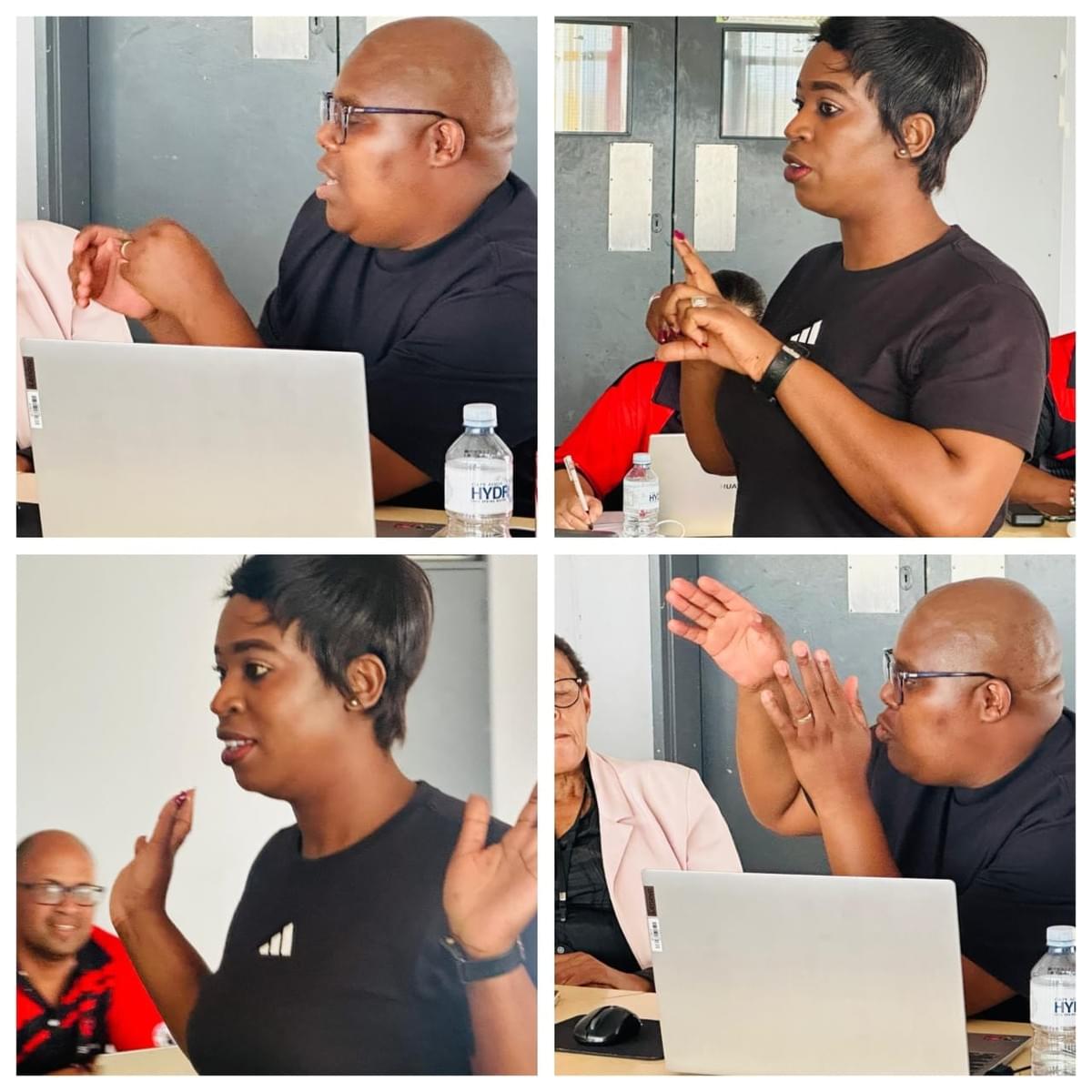
The sessions were facilitated by sis Khensani Mabasa, whose leadership in Monitoring and Evaluation balanced professionalism with deep empathy. She guided conversations firmly but respectfully, creating a space where organisations could reflect honestly without feeling reduced to performance indicators.
Alongside her was bhut Anele Makhobotloane from Finance — and it must be said publicly — bhut Anele is not just a finance professional. Bhut Anele is a full-time comedian trapped inside a finance department.
Somehow, between budget corrections and compliance explanations, bhut Anele managed to make finance discussions entertaining. There were moments when entire rooms laughed while discussing expenditure lines — something none of us believed possible before this gathering.
If laughter truly is medicine, then the Western Cape CBO sector received a full prescription over those three days.
Organisations working across the NSP Pillars came together, each contributing uniquely to South Africa’s response to gender-based violence. Iris House Children’s Hospice continues vital work under Pillars 3 and 4 supporting vulnerable children and families. Connect Network advances prevention and response interventions under Pillars 2 and 4, while Rape Crisis Cape Town Trust remains a cornerstone of survivor-centred services under Pillars 3 and 4.
Siyazana Youth Development Foundation strengthens community resilience under Pillars 2 and 5, and the Saartjie Baartman Centre continues delivering integrated survivor support under Pillars 2 and 4. Fathers Connect advances transformative engagement with boys and men under Pillars 1 and 2, addressing harmful norms while promoting positive masculinity.
MOSAIC and the Callas Foundation continue strengthening community-based prevention and survivor support systems. Ilitha Labantu, working across Pillars 1, 2, 3, 4 and 6, remains a longstanding force in advancing women’s empowerment and justice advocacy. Molo Mhlaba contributes under Pillars 2 and 4 through education-centred empowerment initiatives strengthening prevention efforts.
Community Keepers advances psychosocial support under Pillars 2 and 4, while Jelly Beanz Foundation delivers impactful programming across Pillars 2, 3 and 4. Cederberg Matzikama AIDS Network continues vital rural interventions across Pillars 2, 3 and 4, often serving communities where distance itself becomes a barrier to justice. Etafeni Day Care Centre Trust in Nyanga addresses intersecting vulnerabilities across Pillars 2, 3, 4 and 5.
The Great People of South Africa contributes under Pillar 3 through survivor-centred support, court accompaniment, and community-based protection interventions grounded in lived experience.Justice Desk Africa advances prevention and community empowerment initiatives under NSP Pillars 2 and 4, strengthening human rights awareness and access to justice within communities.
Siyabonga implements integrated community support interventions across NSP Pillars 2, 3, 4 and 5, promoting prevention, protection, response, and community resilience.
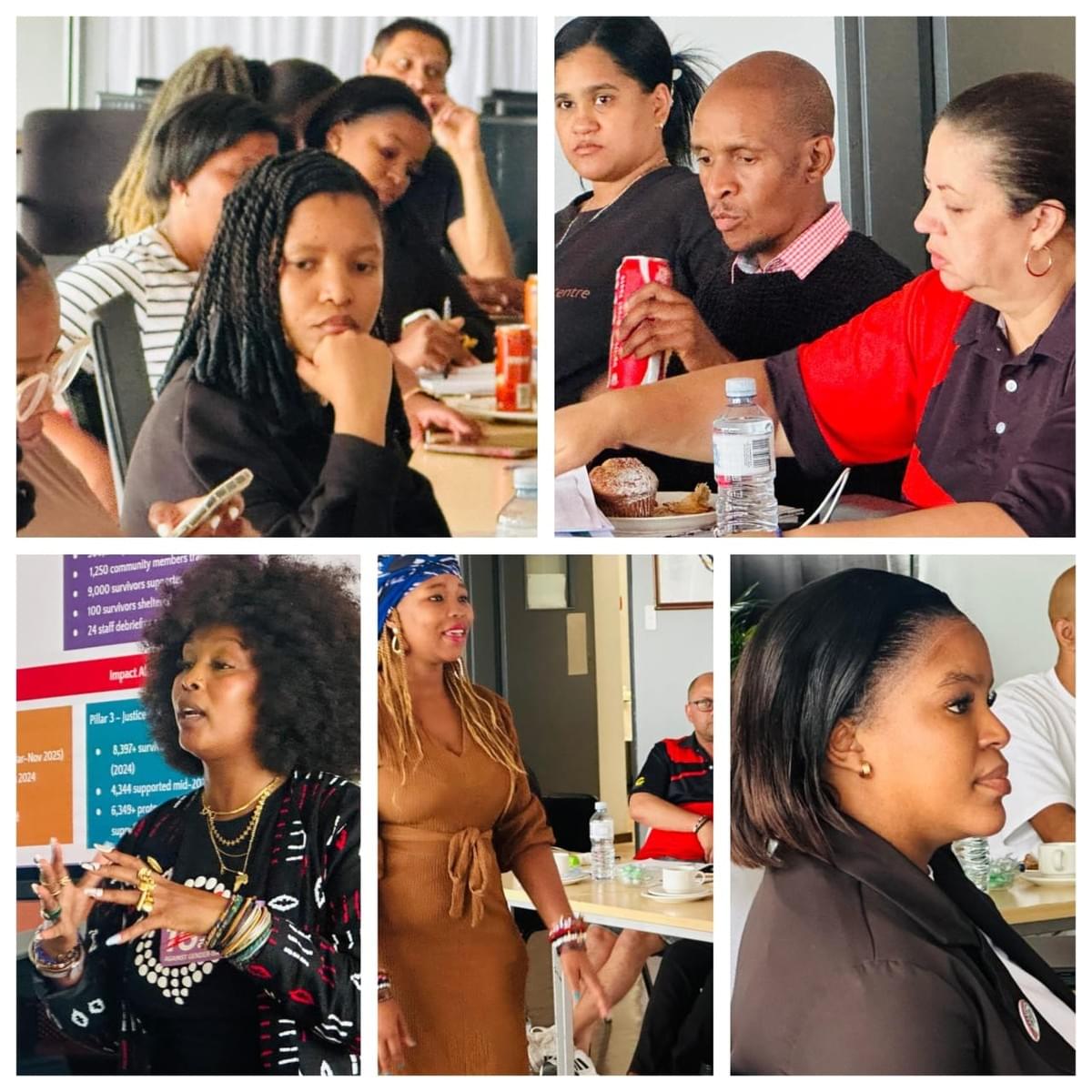
Together, these organisations represent the National Strategic Plan not as policy language, but as lived implementation.
As conversations deepened, one powerful truth emerged: none of us are alone. Leadership within community organisations can often feel isolating. Many organisations openly reflected on operational challenges, financial pressures, staffing limitations, and the emotional toll of frontline work.
Community practitioners do not observe gender-based violence from a distance — we absorb it. We carry stories home. We respond after hours. We continue showing up even when emotionally exhausted.
There was unexpected comfort in discovering that organisations with decades of experience still face challenges similar to those encountered by organisations only a few years old. Perfection, it seems, is not the requirement for impact. Growth is.
What makes the GBVF Response Fund remarkable is its humanity. Rather than approaching organisations with judgement, the team engaged with partnership. The message was clear: acknowledge gaps, strengthen systems, and continue building.
In a sector where funding relationships can sometimes feel transactional, this approach felt deeply refreshing.
At the centre of this leadership stands Sis Tirhani Manganyi, whose motherly guidance and unwavering advocacy for community-based organisations does not go unnoticed. We recognise the continuous effort required behind the scenes to ensure grassroots organisations remain supported and sustained.
Leadership like hers reminds us that funding can still carry compassion.
We extend sincere appreciation to Lindo, Ayanda, and the entire GBVF Response Fund team — programme staff, finance teams, stakeholders, and partners — those we know by name and those working quietly behind the scenes.
Your patience with us has been extraordinary. Truly, you journeyed with us through revised submissions, follow-up emails, missing attachments, and documents sent with hopeful messages beginning with, “Please find attached… again.”
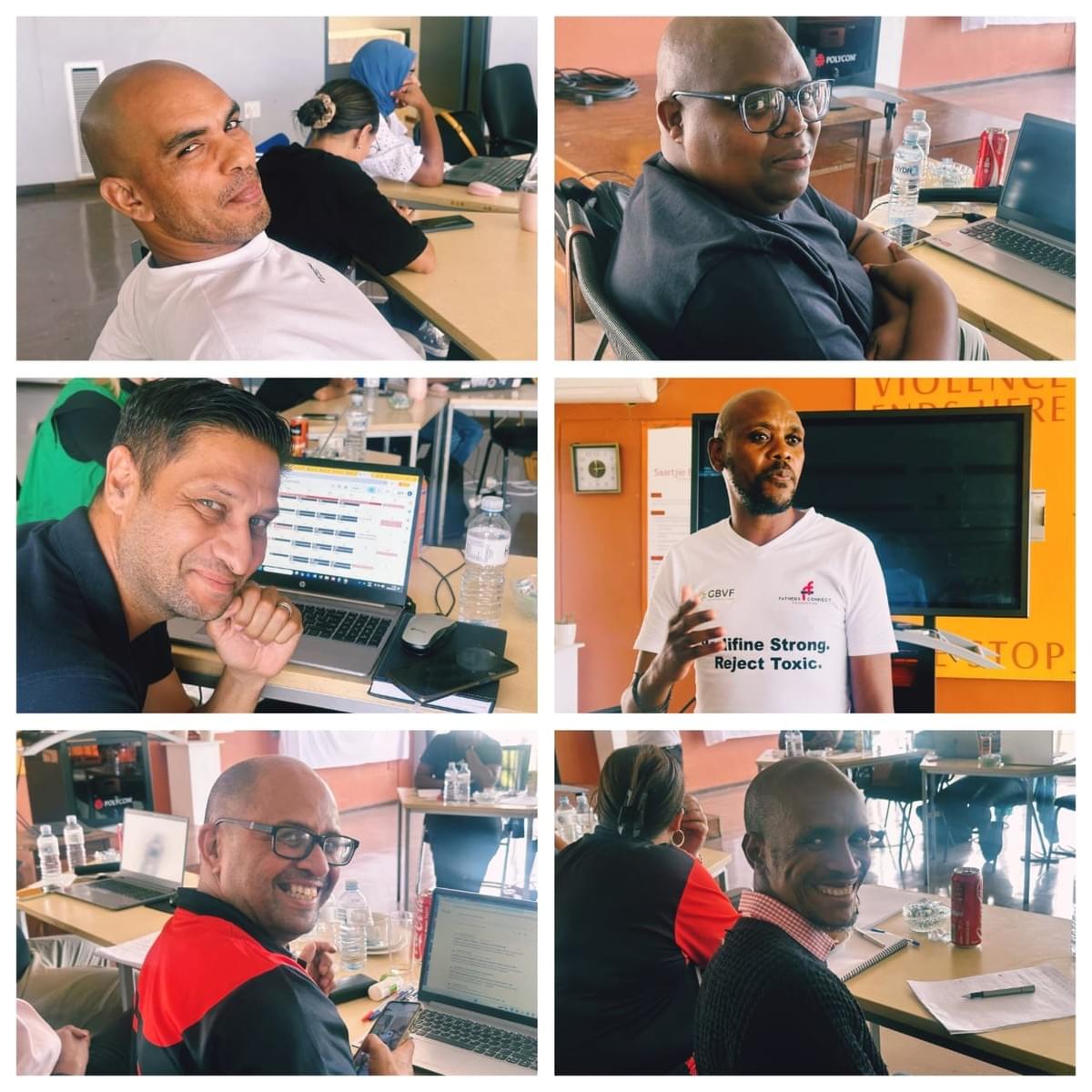
Another meaningful highlight was the presence of men from different organisations who actively participated in conversations seeking solutions to the social challenges facing our province.
Society often expects men to remain unaffected, yet these men chose engagement and collaboration.
Majita, we see you. We appreciate you. We need more good men willing to stand alongside communities working toward healing and justice in the Western Cape.
As Phase 1 of the GBVF Response Fund support comes to a close, there is both sadness and immense gratitude. Being funded under this programme has been more than financial support; it has been one of the most human funding experiences many organisations have encountered.
The respect, patience, and intentional engagement demonstrated throughout this partnership are rare within our sector.
As Phase 1 CBOs, we also wish the organisations entering Phases Two and Three all the very best. May your journeys be transformative. May you learn from your own growth and from the lessons we have gathered along the way.
This work requires resilience, humility, collaboration, and endurance — and we trust that the path ahead will continue strengthening South Africa’s collective response to gender-based violence.
Western Cape organisations continue to work tirelessly. Survivors are supported. Children are protected. Communities are mobilised. Progress may not always appear perfect, but it is deeply real.
So today, we say thank you.
Thank you, GBVF Response Fund, for choosing humanity alongside accountability. Thank you for believing in community-based organisations. Thank you for walking this journey with us.
The work continues. The learning continues. And together, we continue showing up — sometimes tired, often stretched, occasionally laughing through finance sessions — but always committed to the communities we serve.
On behalf of all the CBOs in the Western Cape, Thank you, Enkosi, Shukran and Baie Dankie.
Camagu GBVF Response Fund!!!
