

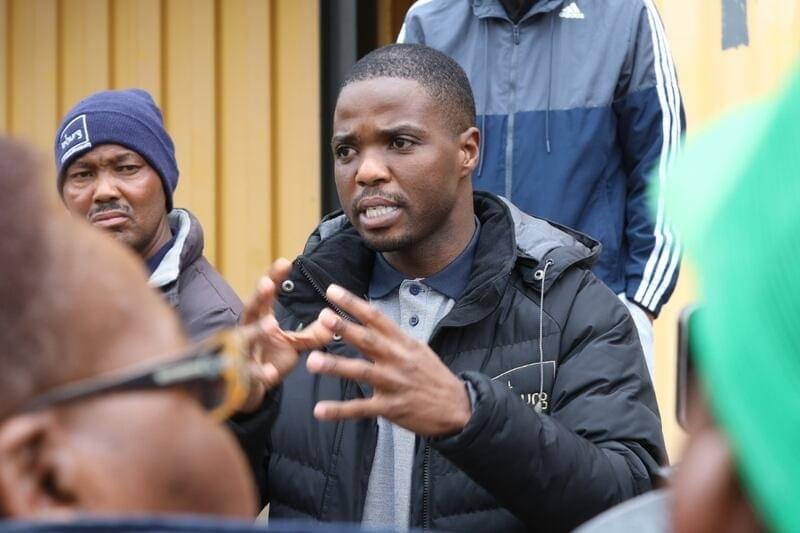
There is something deeply affirming about watching someone from your own generation step into leadership and carry it with clarity, discipline, and conviction.
As a proud member of the Inkatha Freedom Party and a recently sworn-in member of the Pan-African Youth Parliament, where I engage young leaders across the continent advancing the African Union’s Agenda 2063, I have come to understand one thing with certainty: young people are ready to lead.
The question is whether our institutions are ready to trust us with responsibility. In Johannesburg, Mlungisi “Black Rock” Mabaso is providing a clear answer.
As MMC for Human Settlements in the City of Johannesburg, he holds one of the most demanding portfolios in local government. Human settlements is not simply about housing delivery; it is about dignity, spatial justice, and restoring humanity to communities historically pushed to the margins. It requires policy literacy, administrative discipline, and a strong moral compass.
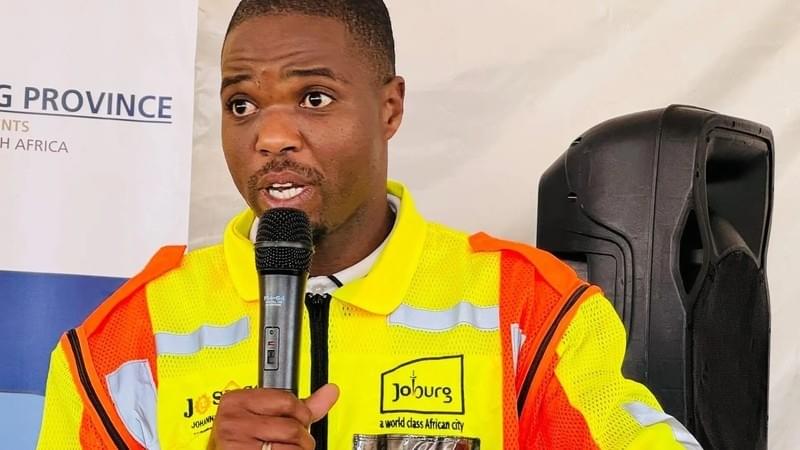
What distinguishes Mlungisi Mabaso is not merely his age or his title — it is how he occupies the office.
He upholds the law with firmness. He advances the IFP’s policy position with confidence and clarity. He stands his ground when challenged. He speaks in a way that feels authentic, not scripted. There is a visible sincerity in his leadership — an understanding of the lived realities of ordinary residents and a commitment to accountability.
For many young people in South Africa, especially those navigating inequality and systemic neglect, leaders like him represent possibility. They demonstrate that public office can be carried with seriousness and humility. They show that youth leadership can be both principled and pragmatic.
Across the African continent, there is a generational shift taking place. In my engagements within the Pan-African Youth Parliament, the message is consistent: Africa’s development requires the active leadership of its youth now, not in some distant future. We are not preparing for relevance; we are already contributing to governance, policy conversations, and institutional reform.
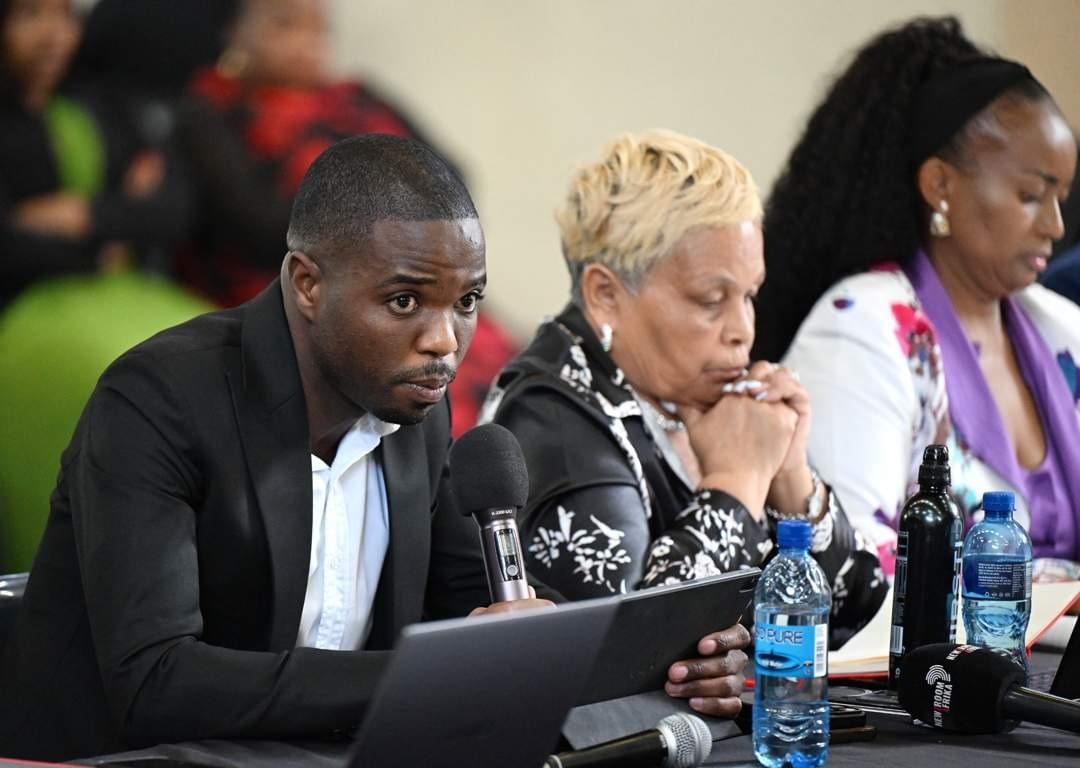
As we move toward local government elections, the future of Johannesburg must be discussed with maturity and vision. Leadership must be evaluated on competence, integrity, and the ability to serve residents with consistency. In that conversation, it would be incomplete not to acknowledge that Mlungisi Mabaso has demonstrated qualities that align with executive city leadership.
It is not unrealistic to envision him one day serving as Mayor of Johannesburg.
Leadership at that level requires preparation, steadiness, and a deep understanding of policy and community needs. From what we are witnessing, he is building that foundation.
For me, this is not blind loyalty. It is thoughtful observation. As a young member of the IFP, and as someone committed to continental governance conversations, I am encouraged to see a fellow young leader within my political home embodying both discipline and Ubuntu.
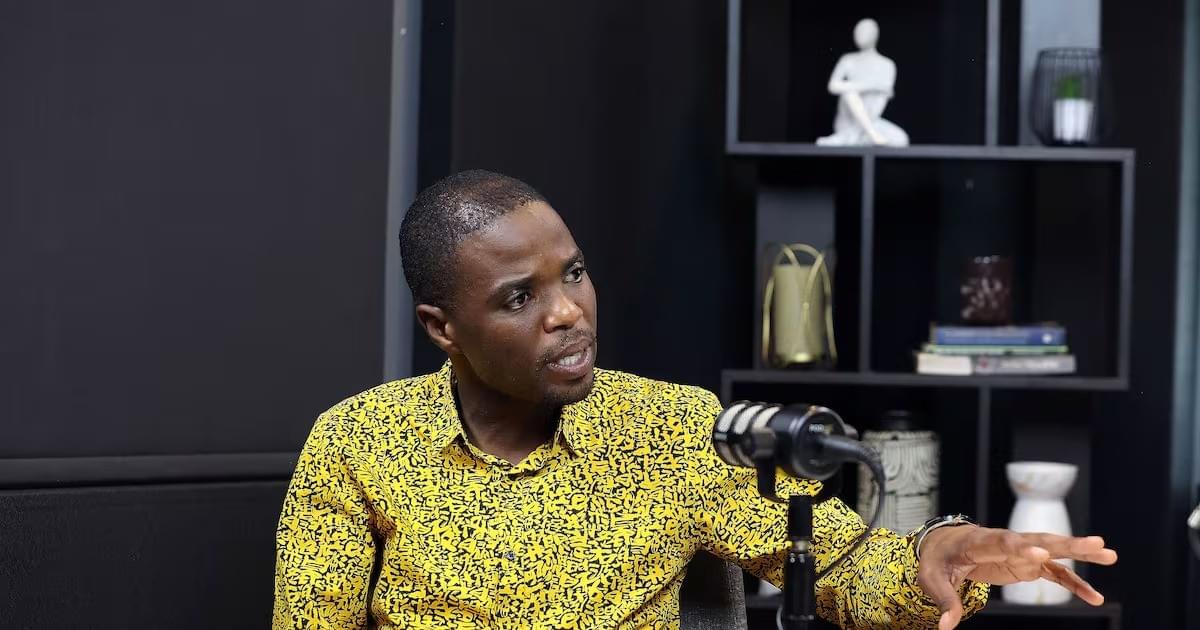
As I continue engaging young leaders across Africa, I will speak proudly of what youth leadership in South Africa looks like. I will speak of a young MMC in Johannesburg who governs with firmness and humanity. I will speak of the possibility that our generation is not waiting for permission — we are preparing ourselves for service.
Enkosi, Mntungwa. Qhuba Mbulaz'omnyama.
The future of leadership is not approaching quietly.
It is already at work.
